
Google Cloud Platform Technology Nuggets - February 1-15, 2025 Edition

Welcome to the February 1–15, 2025 edition of Google Cloud Platform Technology Nuggets. The nuggets are also available in the form of a Podcast.
Google Cloud’s global Build with AI Tour
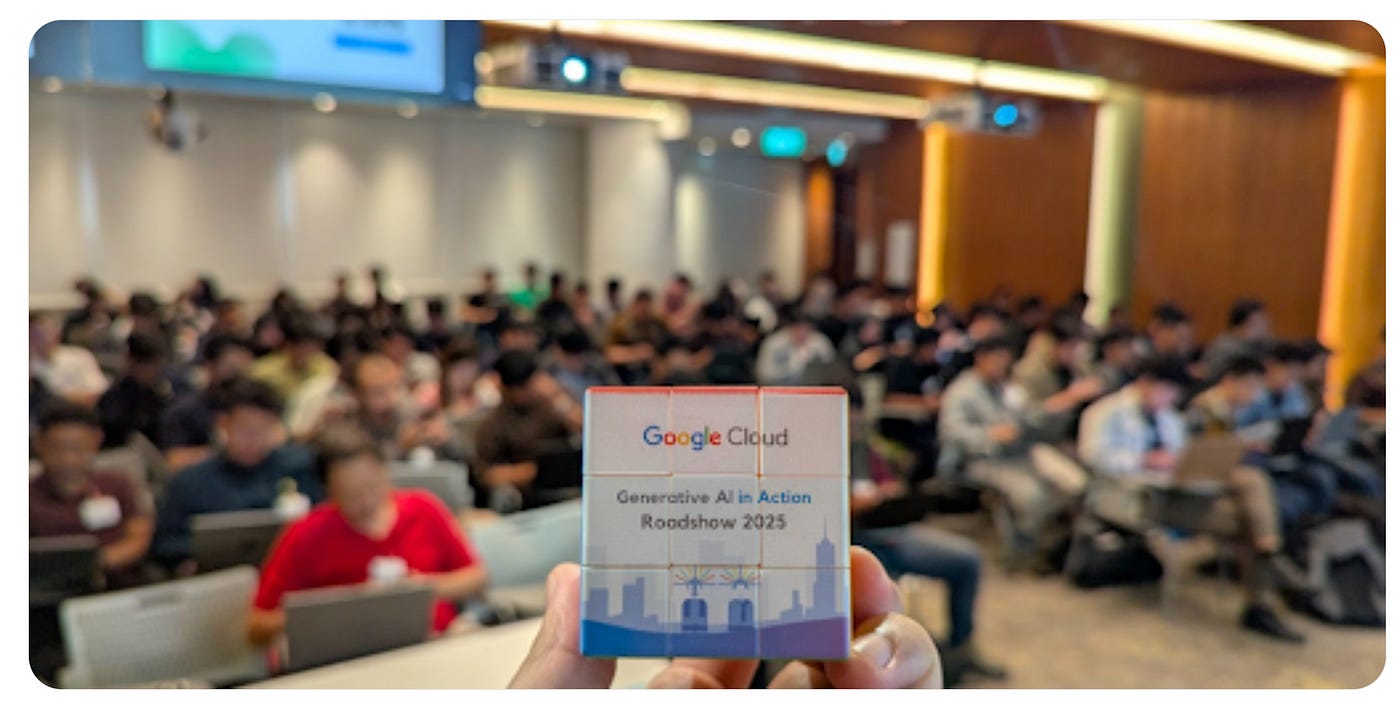
If you are looking to get upto speed on the happenings in Google AI offerings, the Build with AI Tour offers a great opportunity to do so. The tour is a series of events across the globe in major cities, where you get to hear on all things AI ranging from infrastructure, AI-assisted tooling, developing Gen AI apps with latest Gemini models and more. Check out if its happening in your city via the blog post. If the event is happening in your city and the details/venue are fixed, you will also see a RSVP link next to city.
AI and Machine Learning
Imagen is Google’s state of the art image generative AI model. It is now available to all customers of Vertex AI.
Here is an interesting blog post that highlights how you can put Imagen in an image generation workflow that aims to create a strong logo for your brand. The flow uses not just Imagen for the initial image generation but then asks Gemini to select the best image.
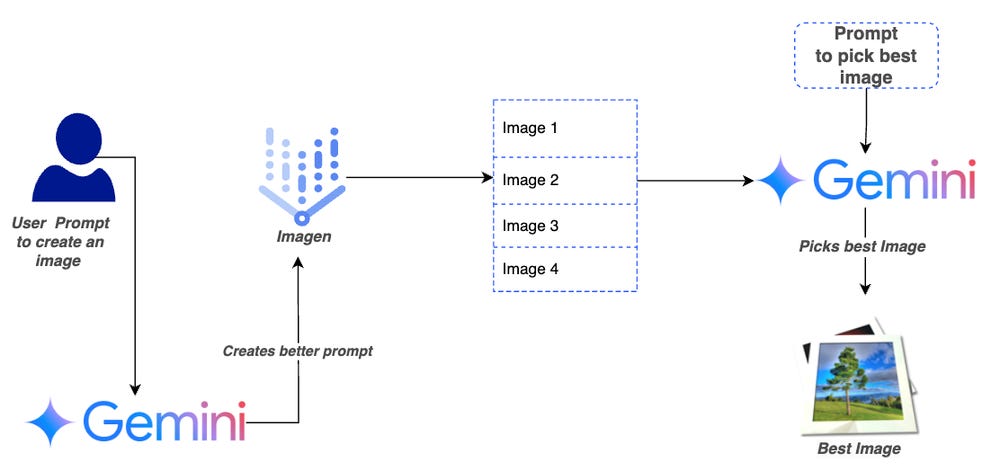
While that’s just the initial part, the blog post then details how to resize, refine the image so that it best fits within your overall marketing visuals and then finally uses Gemini to even generate the catchy taglines.
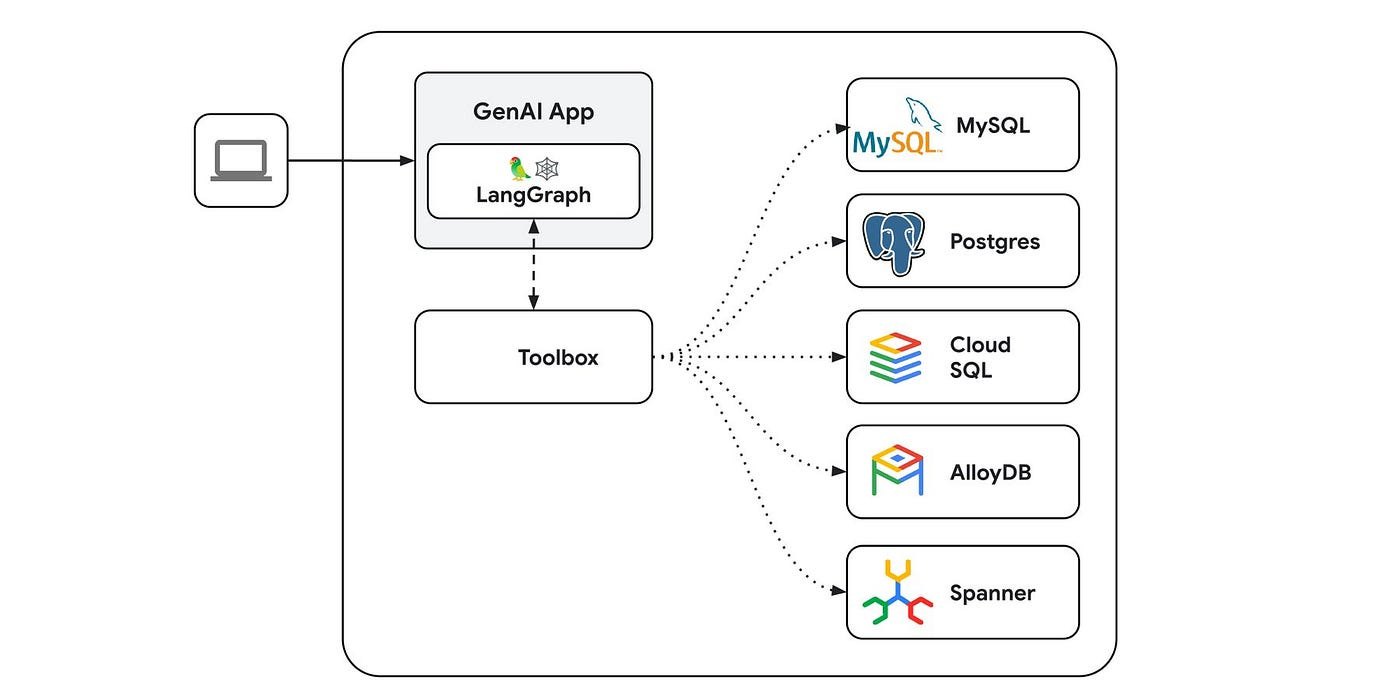
If you have been developing generative AI applications, chances are good that you have to work with your own databases to ground the responses and also use one or more framework to help you build out these applications. Chances are equally good that you use Python and Langchain framework to develop these applications. If this is the case, you should look at the beta release of Gen AI Toolbox for Databases, an open source framework released by Google, that is squarely focused on helping you connect your applications to databases. Think of this framework as a configuration driven toolbox that knows how to connect to your database, execute specific queries and provide that as an endpoint for your applications to interact with. Its a nice way to separate out concerns. The framework currently supports connectivity to self managed PostgreSQL, MySQL, as well as managed databases including AlloyDB, Spanner, and Cloud SQL for Postgres, Cloud SQL for MySQL, and Cloud SQL for SQL Server. Check out the blog post for details and the Github repo.
I hope that summaries like this newsletter is a great way for you to get upto speed on the announcements in Google Cloud. But when Google Cloud themselves publish a summary of things being announced, its always better to go with the source. One such initiative that I hope it continues is the “What we announced in AI this month”. Check it out.
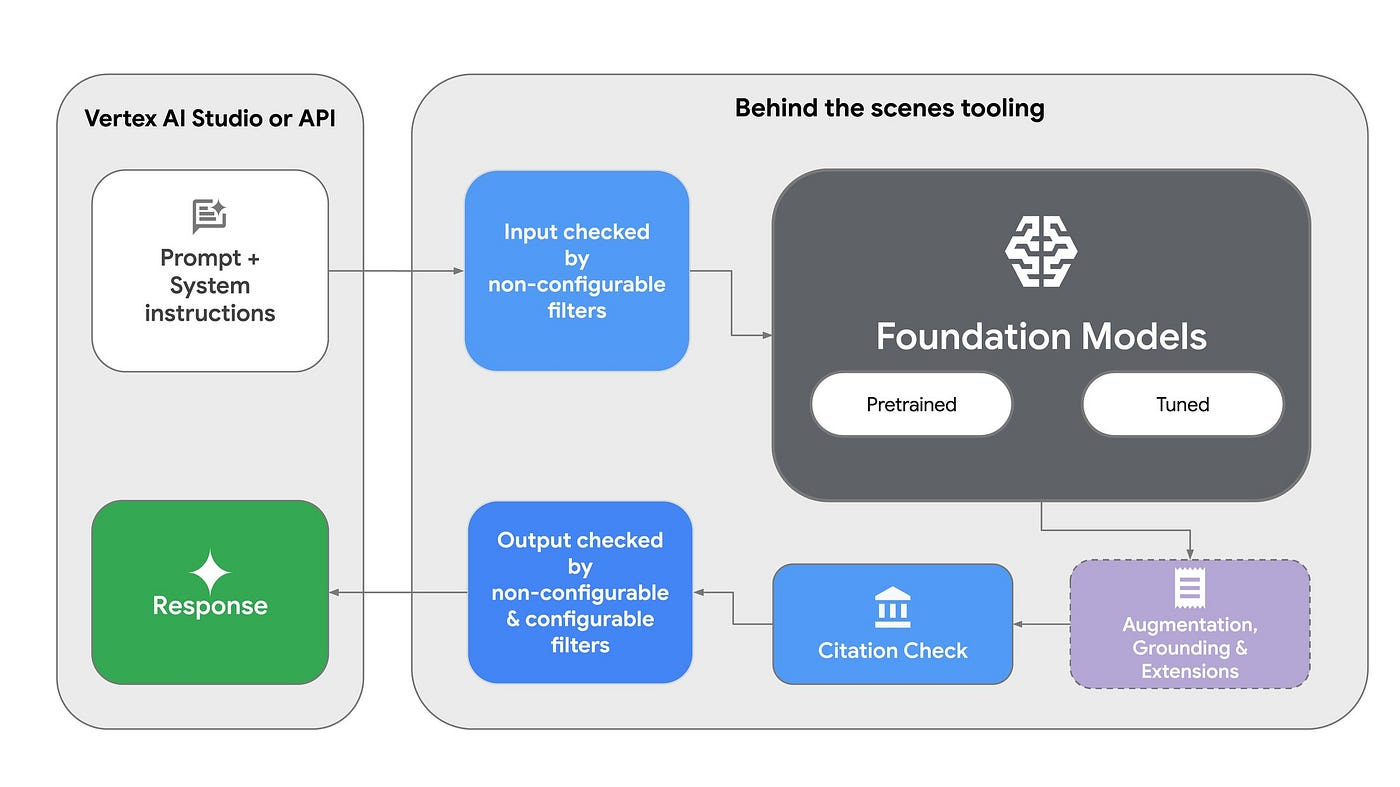
Content filters and System Instructions. This looks like an interesting combination that makes you wonder what it could be applied to. As per the blog post, these are one of the key tools that you have in your arsenal to help enhance Gemini model security. Content filters (safety filters) are both standard ones that we cannot configure which help block output like PII data, child sex abuse material, etc. The configurable ones define blocking thresholds in four harm categories (hate speech, harassment, sexually explicit, and dangerous content). The article goes on to state that it is important to also consider System Instruction to proactively steer the model away from generating undesirable content to meet your organization’s unique needs. Check out the blog post for more details.
Databases
When it comes to running Enterprise databases in the cloud, every bit of optimization matters. But let’s break down the optimization area into specific items:
What if you got 30 days worth of telemetry data that helps you understand your query executions and compare them to previous executions?
What if you got intelligent recommendations from the database service itself for improving overall execution. For e.g. it helps highlight missing indexes, configuration and more.
What if you could look at Wait Events, where there is a bottleneck due to some I/O operations and or get index recommendations.
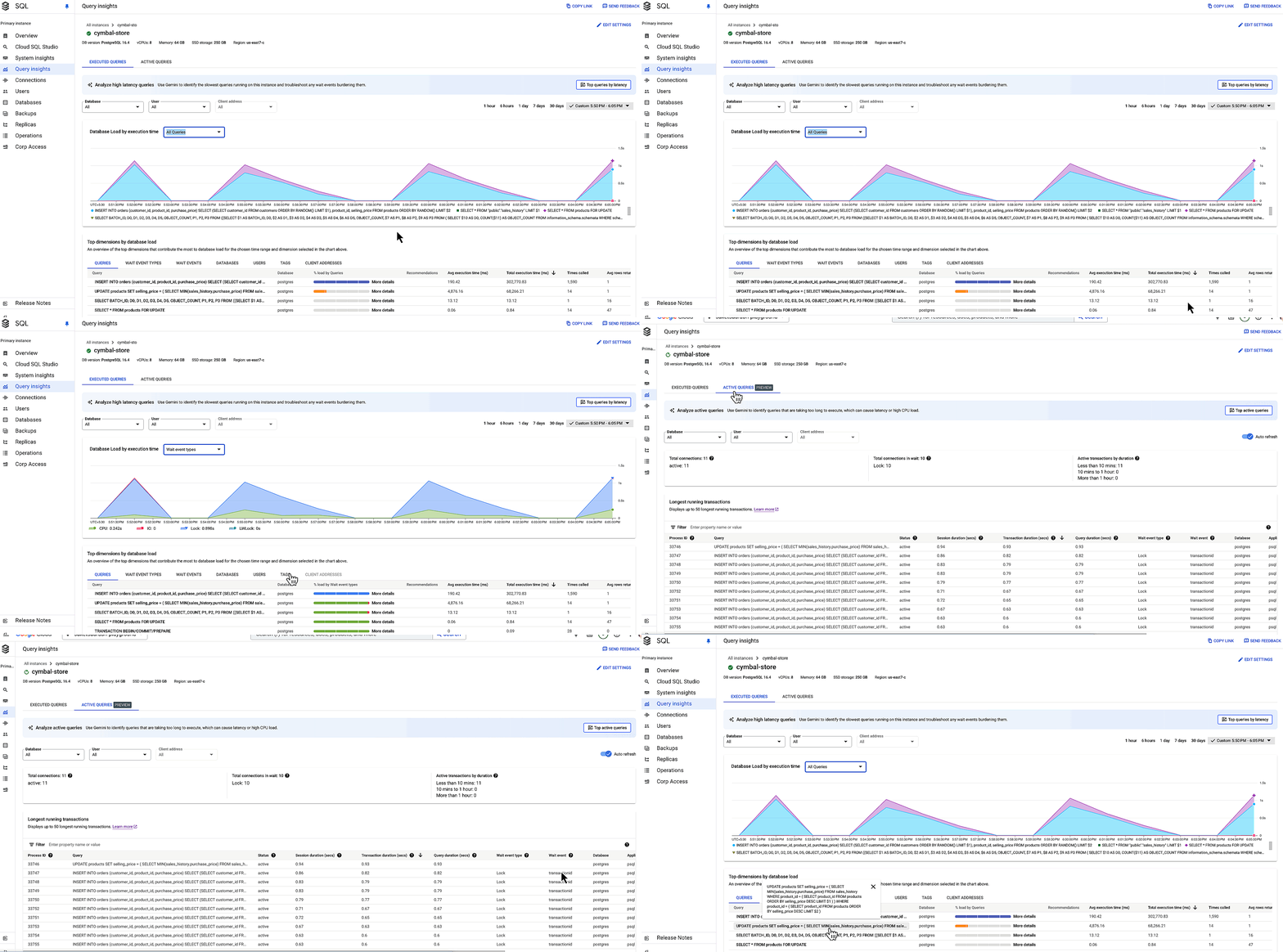
Query insights for Cloud SQL Enterprise Plus edition provides the above features and is now available in preview. Check out the blog post for more details.
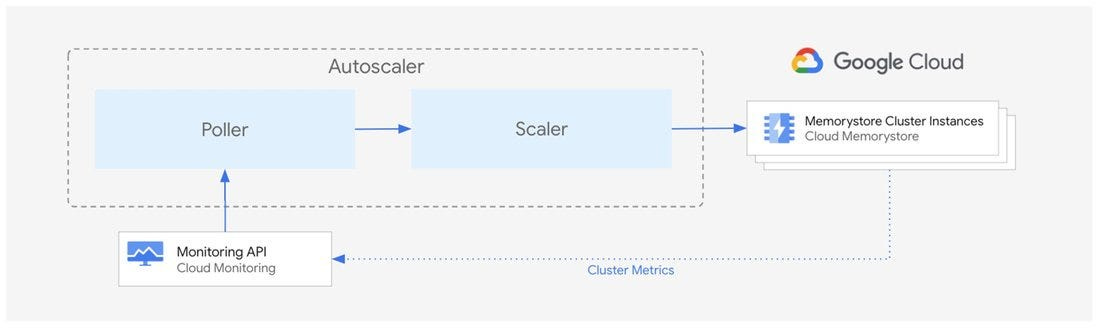
Google Cloud’s Memorystore has announced an open-source Cluster Autoscaler to automatically manage and adjust cluster capacity based on workload demands. The Autoscaler uses predefined rulesets which can be customized to address workload patterns like standard, plateau, batch and more. Check out the blog post that highlights how the autoscaler works , configuration details and how you can get started with it.
Identity and Security
Its never enough to repeat that protecting cloud identities is critical, as you move more workloads to the cloud and utilize multiple services. Security is a shared responsibility and if you are using a cloud provider, say Google Cloud in this case, it is important to best understand the various ways in which the cloud provider helps to mitigate any risks involved with identity theft. Check out this blog post, that serves as a good refresher to look at various Google Cloud services in the areas of Multi-factor Authentication (MFA), Identity and Access Control, Security monitoring, protecting service credentials and sessions.
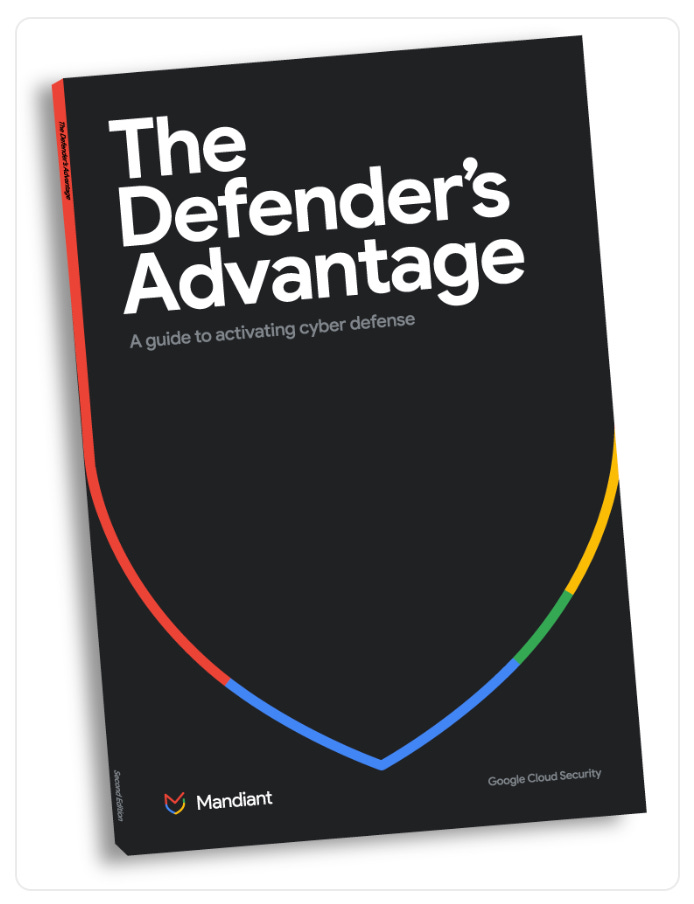
If you are attending Cloud Next ’25 and security is your area of interest, the Cloud Security Hub is the place to be as per this blog post. The hub promises to be a place where you can experience real-life security situations, how to address them, undergo some security trainings and more. And even if you are not making to Cloud Next ’25, grab your e-copy of the “Defenders Advantage”, a framework designed to up-level your cyber defense capabilities through six critical security functions.
Containers and Kubernetes
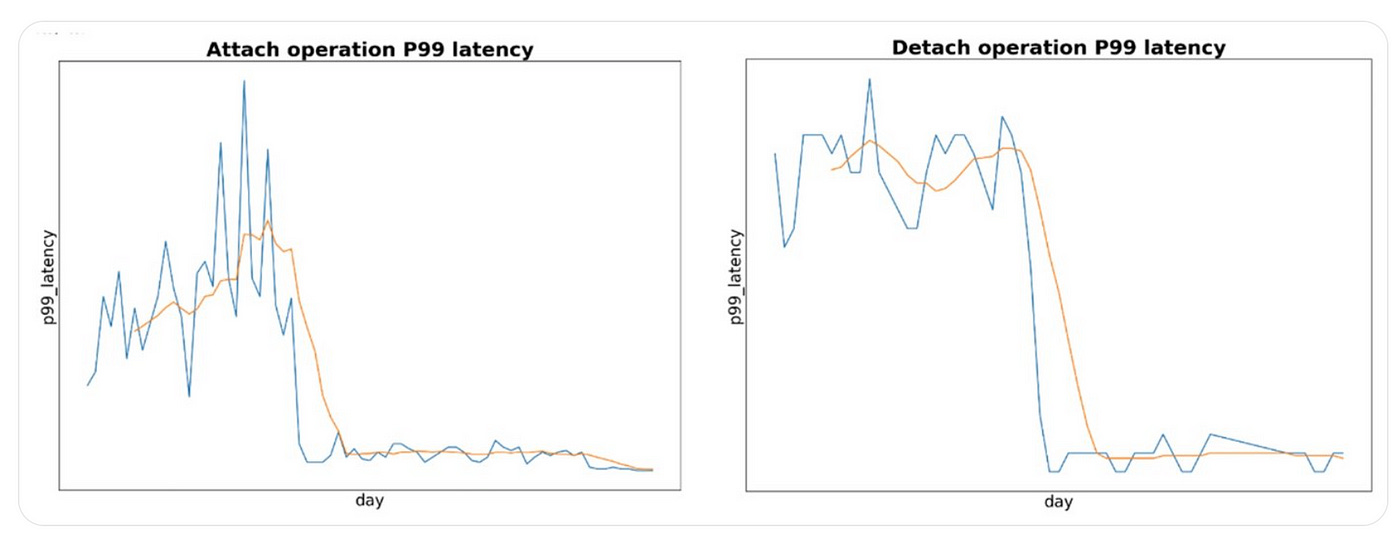
GKE continues to be the premier Kubernetes managed platform out there for its diligent approach to making the platform experience better behind the scenes. One such initiative was to improve the cluster upgrade experience, that previously were characterized by high attach and detach requests when moving disks to a new VM, slowing down the process. Check out the detailed blog post that highlights how the inefficiency in atttaching/detaching Persistent Disks was addressed by revamping the architecture to optimize this, thereby helping run run large-scale stateful applications seamlessly on GKE cluster.
In the world of GKE, what would be a optimum way to say dispatch jobs to the optimal location, where the clusters are there with available resources? This is key when you are looking for scarce GPU resources across your clusters, which need to be managed efficiently. Enter MultiKueue, that works with Dynamic Workload Scheduler (DWS) to provision resources automatically in the best GKE clusters as soon as they become available. Check out the blog post for more details and steps on using it.
Developers and Practitioners
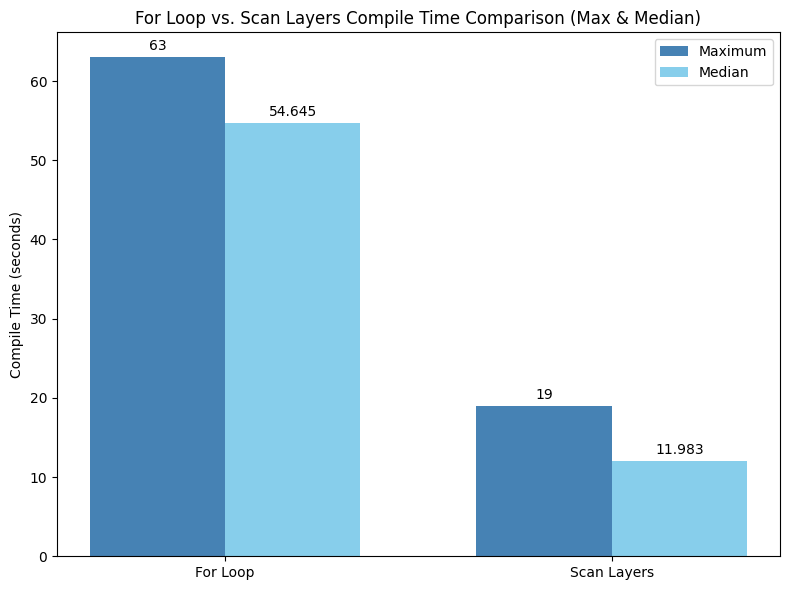
PyTorch/XLA Python package, which offers developers a way to run their PyTorch models on Cloud TPUs has seen updates in its latest release: speed up compilation for repetitive blocks of code, a new base Docker image and more. Check out the blog post for more details.
If you are a Go developer and are looking for Wasm (Web Assembly) support, the new 1.24 release of Go provides support to export functions from Go code to Wasm. The new “go:wasmexport” compiler directive makes Go functions accessible to a Wasm host, enabling the host to call into a Go application like a plugin or other extension mechanism. Check out the blog post. An additional blog post on the official Go blog has more details.
API Management
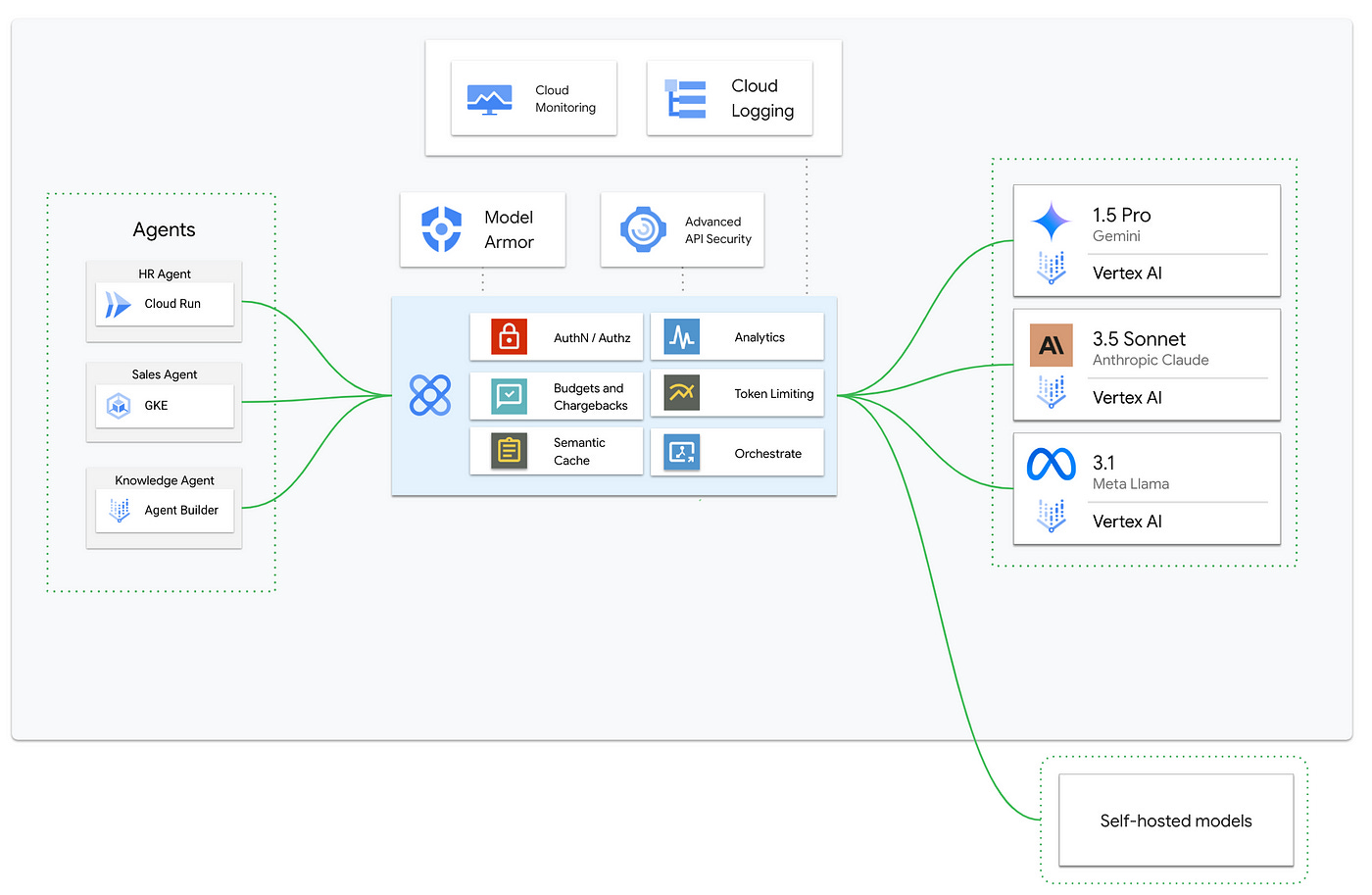
With the rise of LLM APIs in an organization, you need to put in governance that helps you to protect these APIs from misuse, implement tracking and monitoring, switch between models and ensure good response times and more. Apigee, which has been providing API solutions for a long time, has published reference architectures that help you get started on addressing these challenges yourself with Apigee. The blog post shows the use of Apigee as both a proxy for Agents and a gateway between LLM applications and models.
Networking
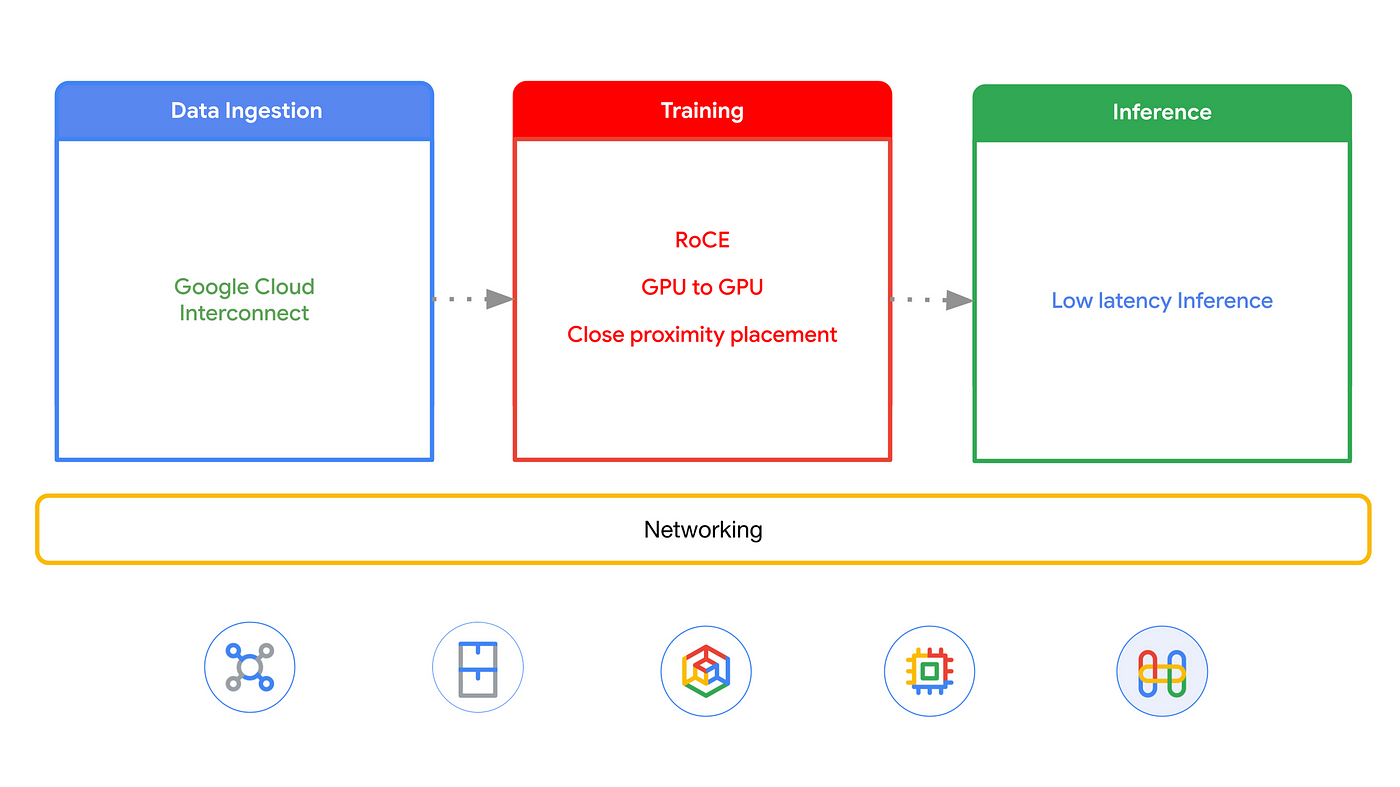
Looking to run AI workloads on Google Cloud ? Managed services or hosting it yourself on the various compute options? What about deploying AI services in Google Cloud that need to access the data in another cloud. In all of the above cases, what are the networking options (private, public) available to use, what should be the considerations for cross cloud connectivity keeping data movement, efficiency and costs into consideration? Check out the blog post that highlights among others, a Cross-Cloud Network solution for AI workloads.
Sustainability
What is the carbon footprint of a Tensor Processing Units (TPUs) used in AI? Google undertook a study and defined a new metric, Compute Carbon Intensity (CCI) to compare the carbon-efficiency of different TPU generations. Check out the blog post for more details, what initiatives are being done to improve and it should come as no surprise that Operational electricity consumption is highlighted as the major contributor to TPU emissions.
Learn about Google Cloud Architecture Framework
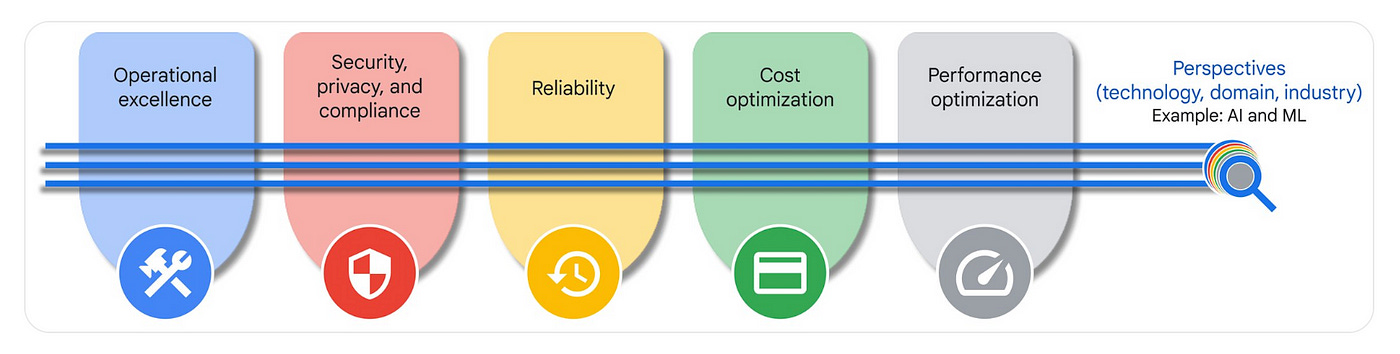
The Google Cloud Architecture Framework provides recommendations to help architects, developers, administrators, and other cloud practitioners design and operate a cloud topology that’s secure, efficient, resilient, high-performing, and cost-effective. It does that across the areas : Operational excellence, Security, Reliability, Cost and Performance Optimization. If you are looking to design a well-architected framework and want to highlight the tradeoffs, understanding of this framework is important, especially in an enterprise environment, where you will be asked about these areas, by various stakeholders. Check out the blog post and the official page.
Write for Google Cloud Medium publication
If you would like to share your Google Cloud expertise with your fellow practitioners, consider becoming an author for Google Cloud Medium publication. Reach out to me via comments and/or on LinkedIn and I’ll be happy to add you as a writer.
Stay in Touch
Have questions, comments, or other feedback on this newsletter? Please send Feedback.
If any of your peers are interested in receiving this newsletter, send them the Subscribe link.