
Google Cloud Platform Technology Nuggets - June 1-15, 2026

Welcome to the June 1–15, 2026 edition of Google Cloud Platform Technology Nuggets. The nuggets are also available on YouTube.
AI and Machine Learning
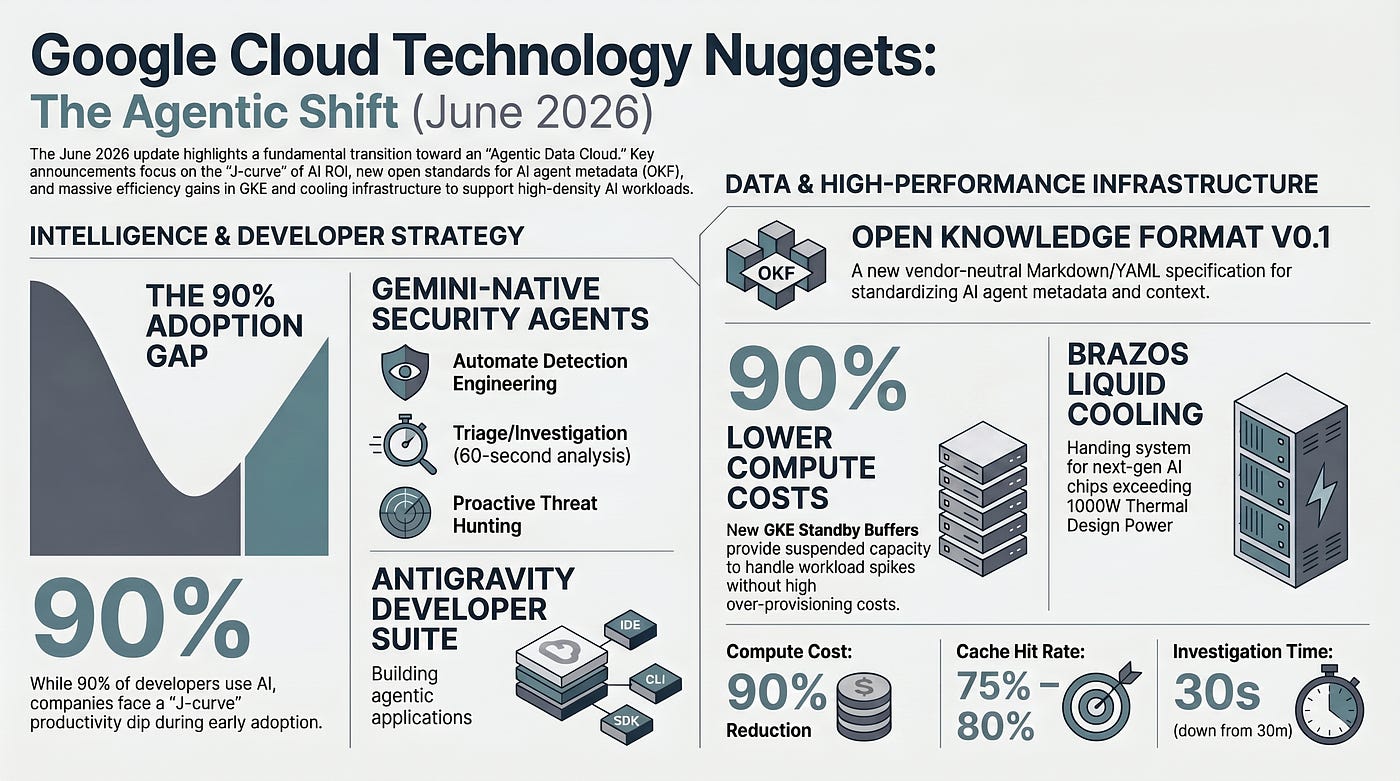
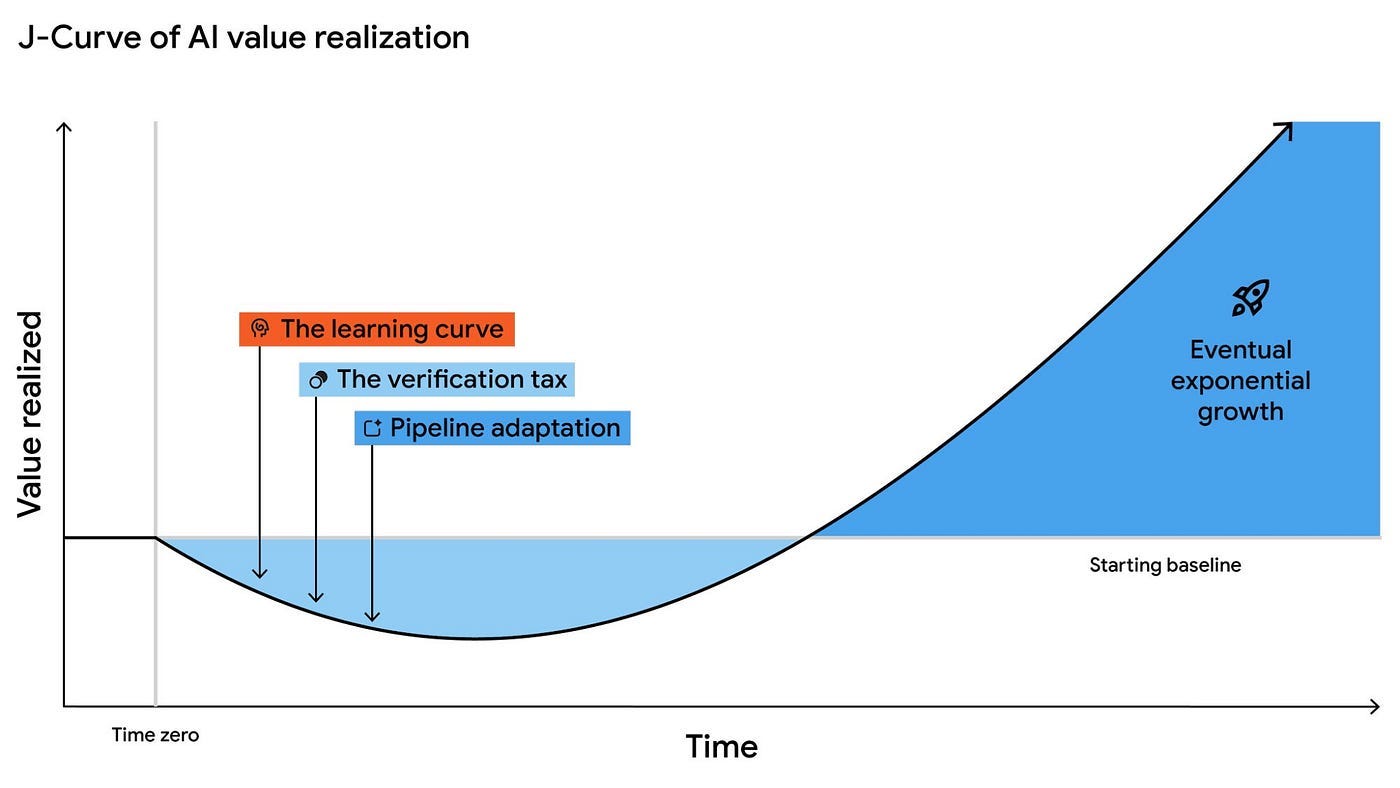
If you are looking to understand the financial return on generative AI in software engineering, the latest DevOps Research and Assessment (DORA) report outlines a framework for measuring these investments. The data shows that while 90% of surveyed developers use AI at work, companies experience a market divide where actual returns vary based on organizational workflows and culture. Read more over here. Early adoption typically follows a J-curve, causing a temporary dip in productivity and stability due to the developer learning curve, a verification tax required to review generated code for hallucinations, and pipeline bottlenecks in downstream testing and approvals.
Data Analytics
Looking to be up to speed with all the happenings in Google Data Cloud, bookmark this page on “Whats New with Google Data Cloud”.
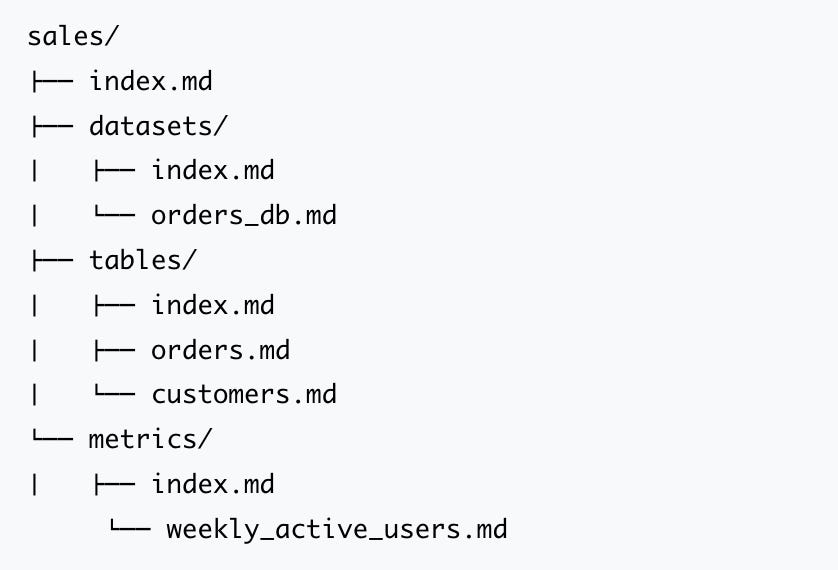
Google Cloud has introduced the Open Knowledge Format (OKF) v0.1, an open and vendor-neutral specification designed to standardize how metadata and context are structured for AI agents and humans. To solve the problem of fragmented internal information , such as schemas, metric definitions, and runbooks scattered across different systems , OKF organizes knowledge as a directory of standard Markdown files featuring YAML frontmatter. Each file represents a concept, requires only a type field, and uses standard Markdown links to build a relational graph of information without needing custom runtimes or SDKs. Along with the specification, reference implementations have been released, including a BigQuery dataset enrichment agent, a static HTML visualizer, and updated ingestion capabilities for Google Cloud’s Knowledge Catalog.
The Agentic Data Cloud introduced at Cloud Next 2026 has seen a spate of updates since the initial announcements. The updates are across three areas:
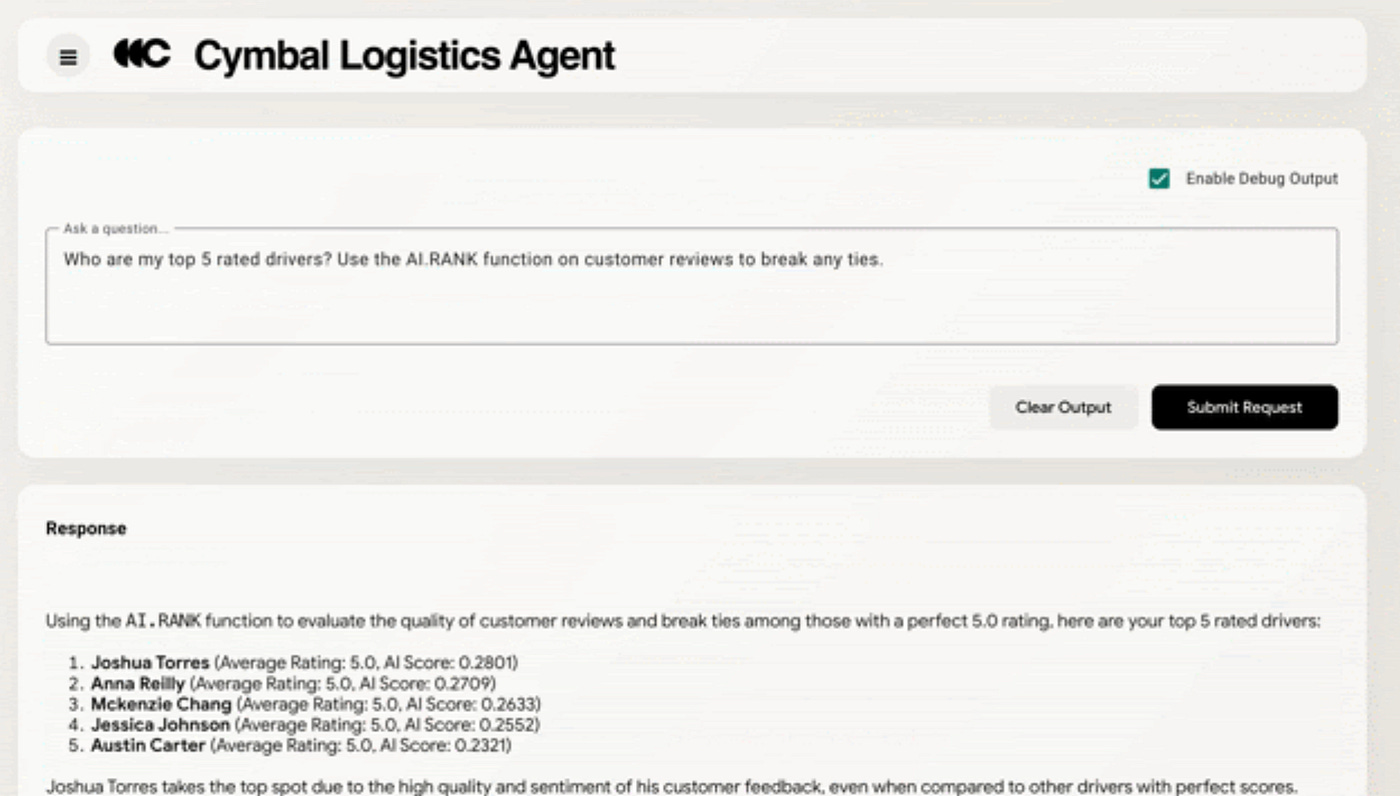
Expanding Conversational Analytics across BigQuery, Lakehouse, AlloyDB, Spanner, Cloud SQL, and Looker to allow users to query data lakes and databases using natural language.
Launch of new specialized tools including a Data Engineering Agent to automate pipelines, a Data Science Agent for code generation, and agents for database observability, onboarding, dashboards, and deep research.
For custom agent development, new tools like the Data Agent Kit, Managed MCP Servers for databases and Looker, the MCP Toolbox, QueryData, and Universal Commerce Protocol Analytics in BigQuery have been made available to securely connect AI models to operational database context.
For more details, check out the blog post.
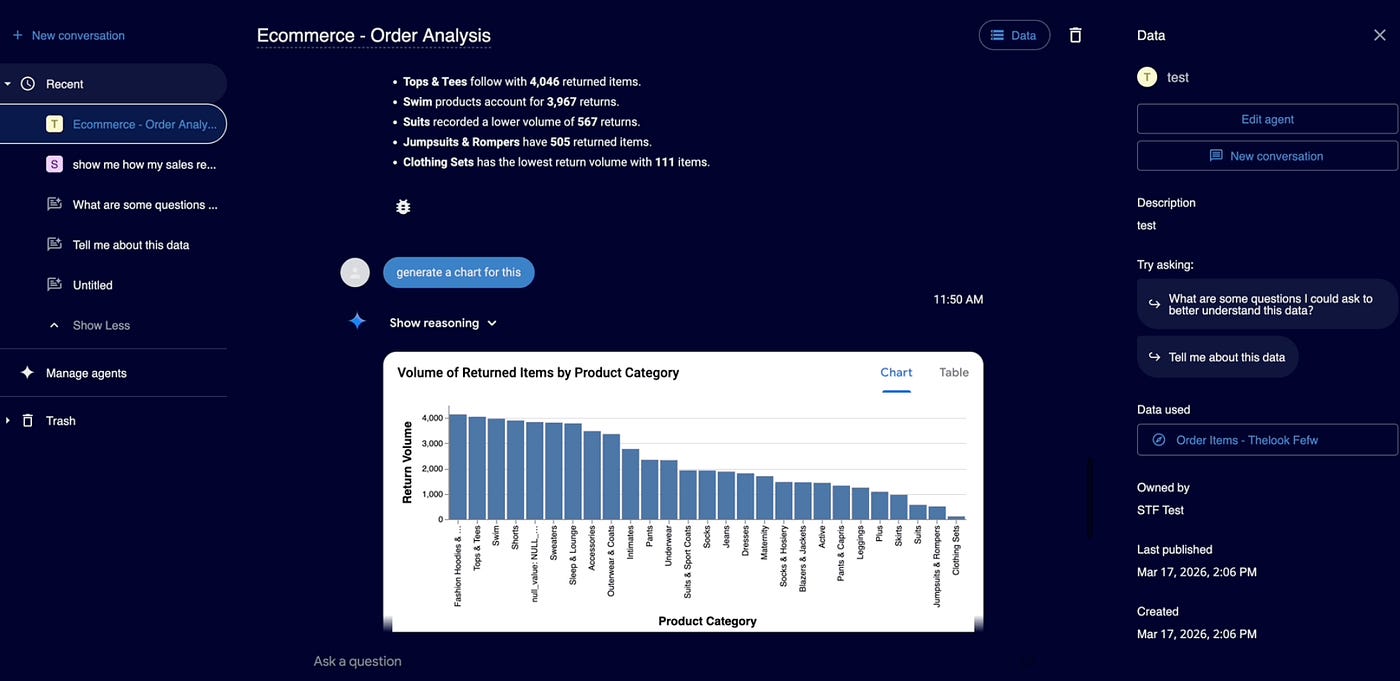
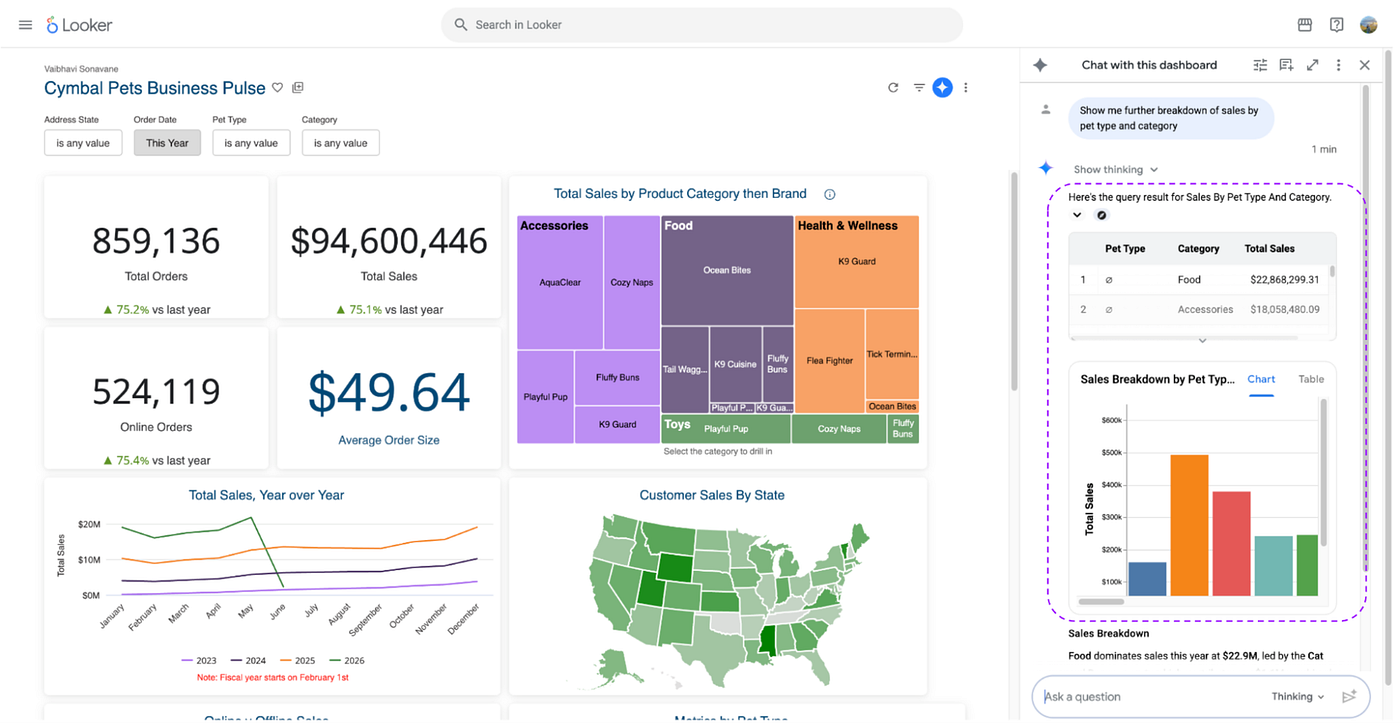
Looker dashboard agents in now available in preview. The approach embeds conversational data agents directly into dashboards to allow users to explore business intelligence data using natural language. For more details, check out the blog post.
The fully-managed Remote MCP Server for AlloyDB is now Generally Available. It provides a zero-management approach and integrates well with existing IAM and Google Cloud security. It features a read-only SQL execution tool to prevent accidental database modifications, alongside capabilities for agents to manage operational instances, update instances, export data, and create backups. Security is maintained through to screen prompts and responses against injections or leaks, while tracking all actions in Cloud Audit Logs. For more details, check out the blog post.
Developers & Practitioners
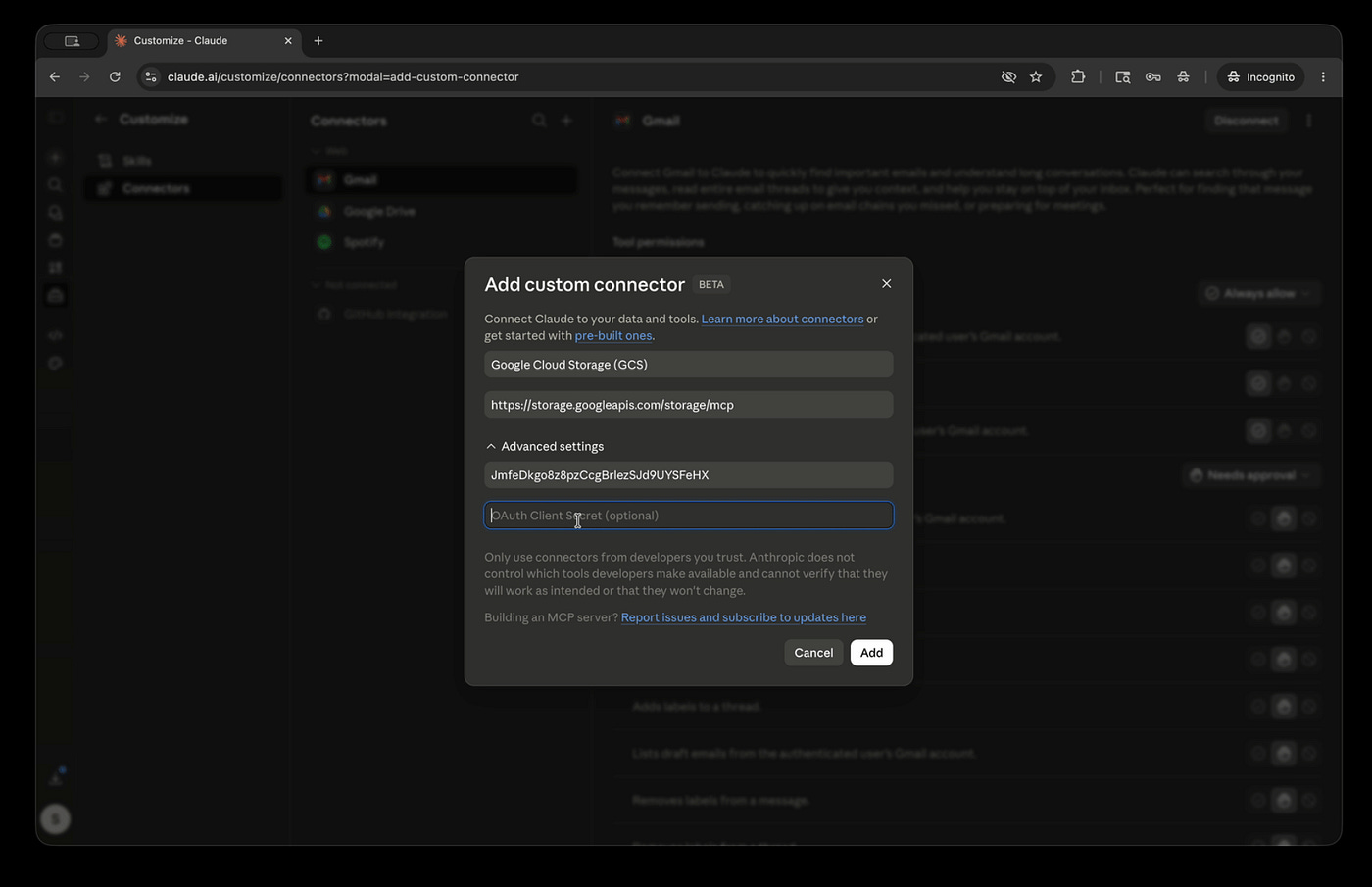
Google Cloud Storage (GCS) now supports the Model Context Protocol (MCP), making it easier to turn passive, unstructured enterprise data into active, “agent-ready” context for AI models without writing complex custom integration plumbing. You can access both the remote MCP Server, where it is hosted by Google or you can also download the open-source version of it from Github and run it locally. The blog post also covers how Snap has been using this MCP Server by using an agent to analyze historical metrics on GCS, reducing job investigation time from 30 minutes to 30 seconds.
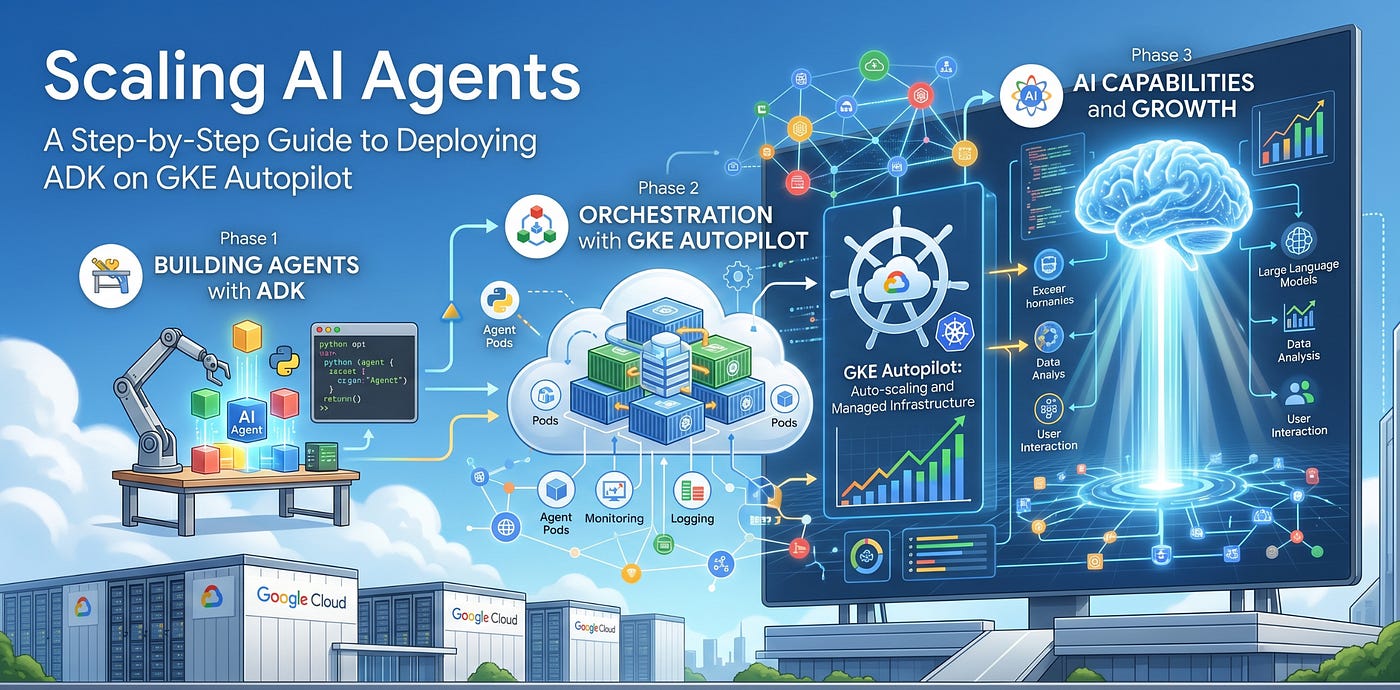
Developing Agents is one thing but deploying them on a scalable and secure platform is essential and needs guidance. One of the platforms that Google Cloud recommends for its flexibility to host Agents is Google Kubernetes Engine (GKE) but hosting it on that platform should not be just to make the agent run but to ensure that it is well integration with the security and scaling features that Kubernetes offers. Check out this detailed guide that demonstrates building a technical agent with ADK and deploying it to GKE Autopilot.
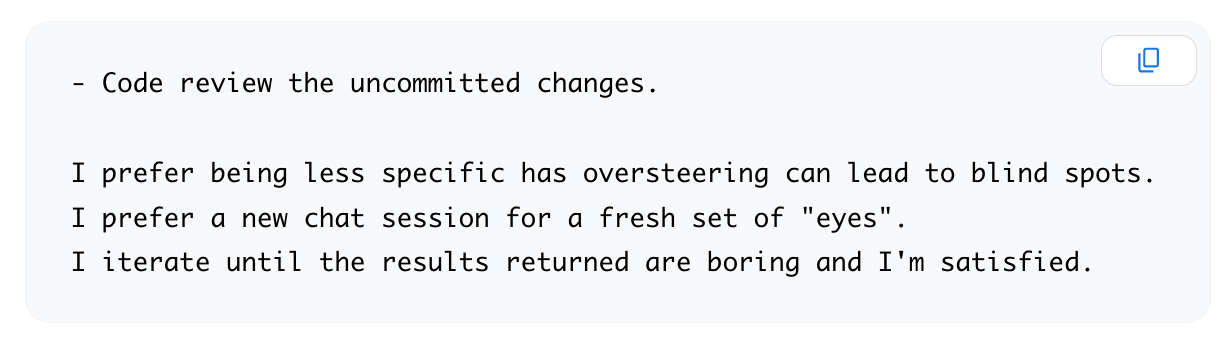
Instead of treating AI as an assistant that just politely nods and generates code, the Google Cloud engineering team uses it as an adversarial thinker to stress-test ideas, find edge cases, and de-risk human assumptions. Check out this blog post that highlights 10 prompts that some teams in Google use.
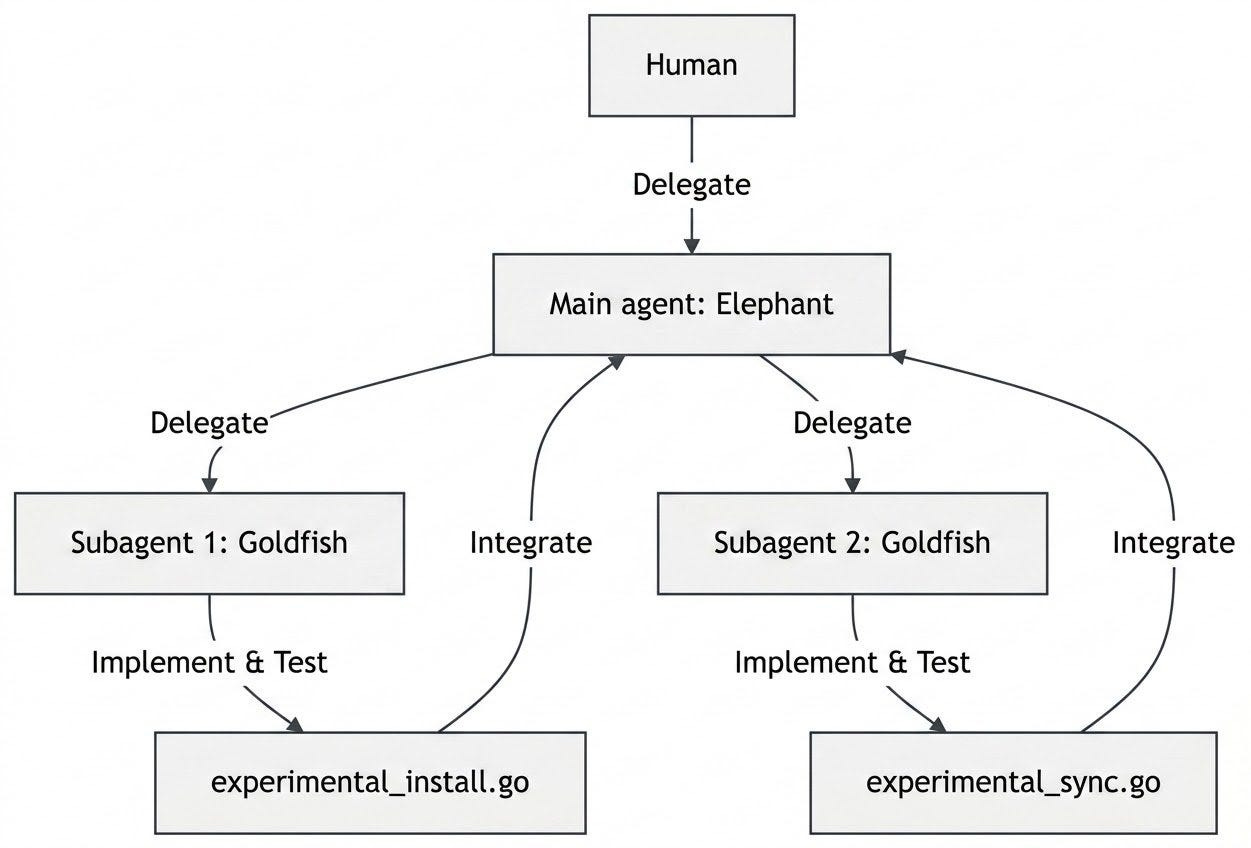
If you are looking to reclaim your software stack from NPM dependency overhead, this article provides a step-by-step walkthrough for migrating a resource-intensive Node.js runtime to a compiled, single-binary Go CLI tool called skl. The article shows how Antigravity was used to do this task and for that, the human intervention required to set the architectural goals and audit the logic, while Antigravity handled the mechanical work of code translation, test generation, and platform path mappings. This post describes the step-by-step walkthrough of a migration workflow to help you build yours. Check out the blog post for more details.
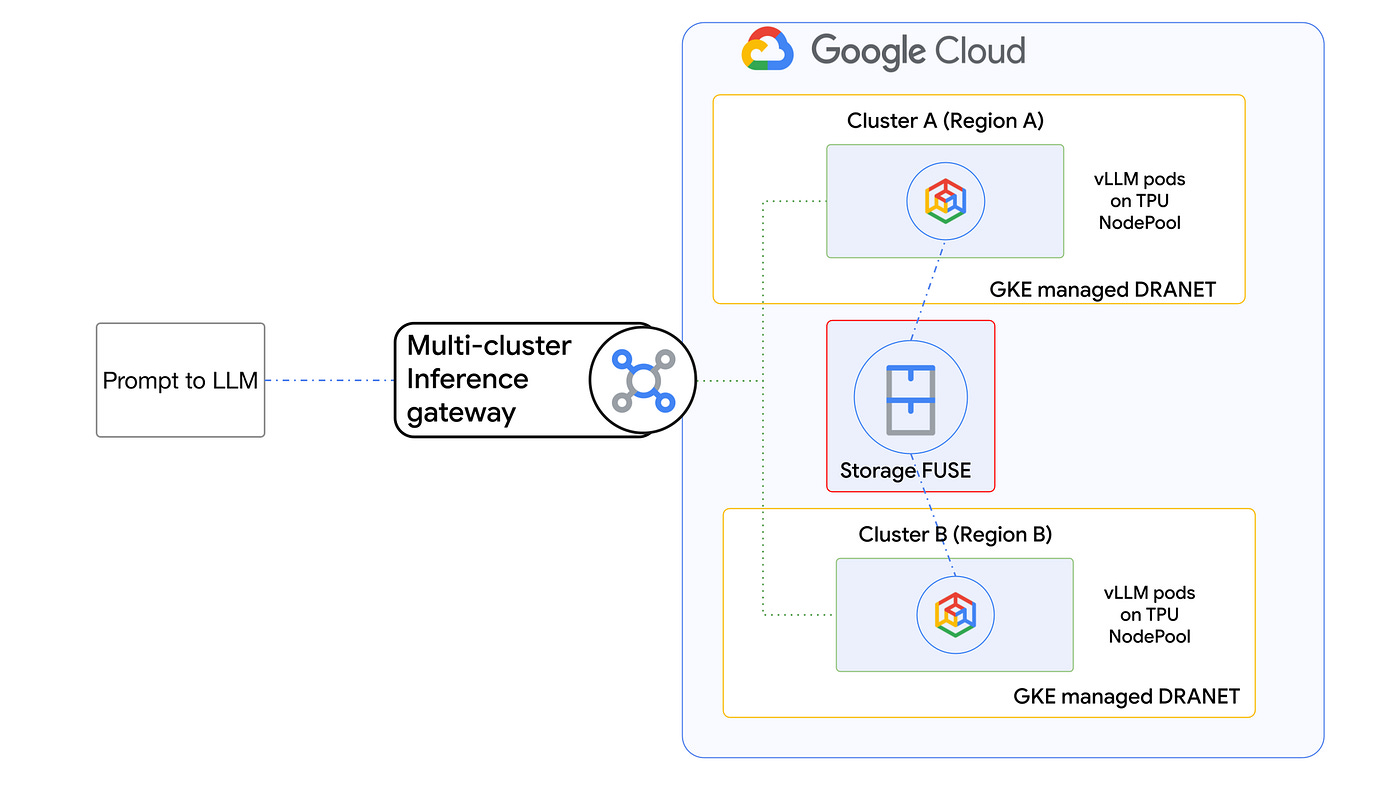
Looking to ensure high availability for AI inference workloads during regional outages? Check out this article, that details an experiment using a Multi-cluster Cross-region internal Application Load Balancer as a GKE Inference Gateway to route global traffic between two GKE clusters in different regions. The setup utilizes GKE managed DRANET to request and share dedicated accelerator networking for TPU v6e node pools, alongside Cloud Storage FUSE to allow pods to mount a bucket and retrieve Gemma 3 model weights.
Storage and Data Transfer
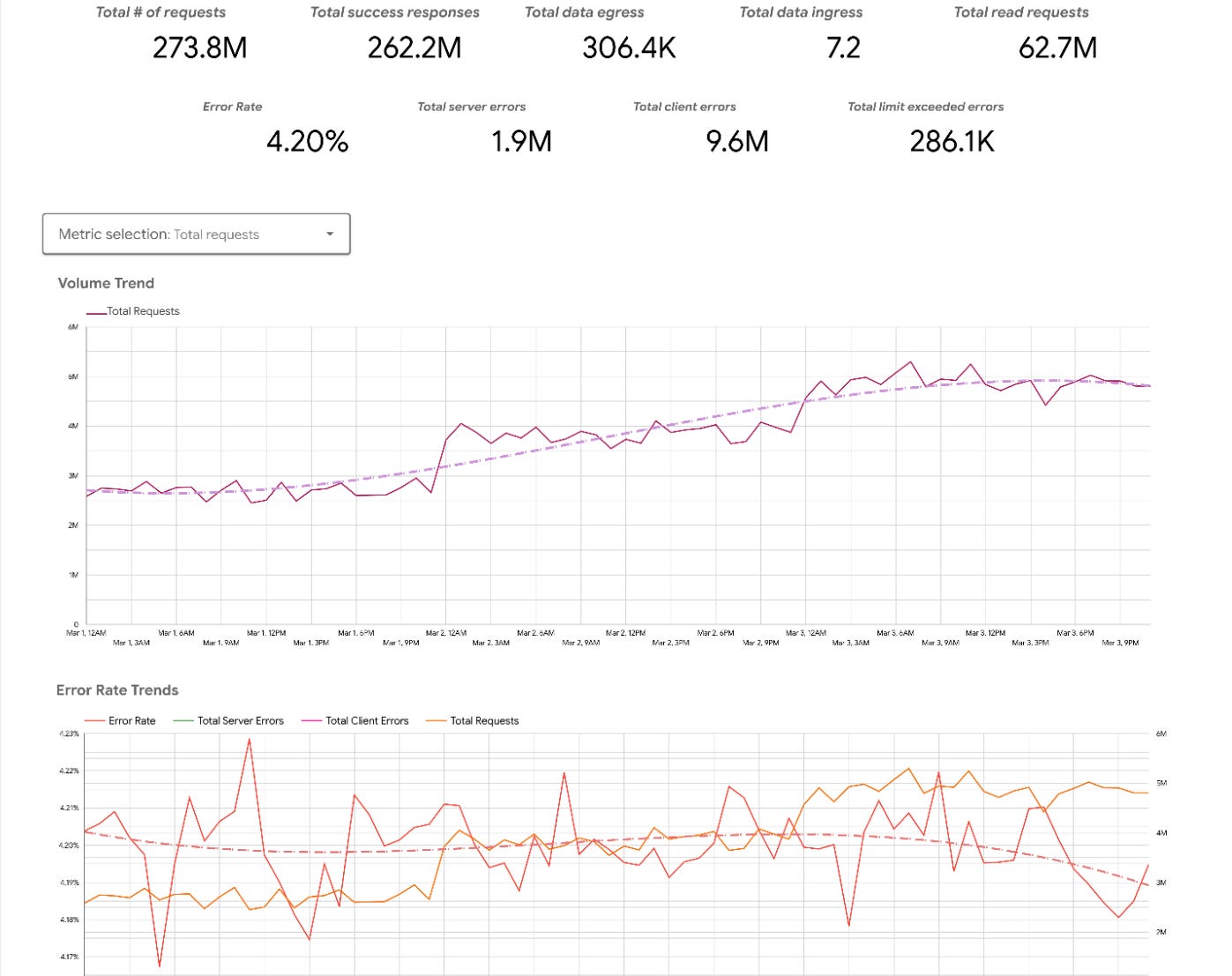
Activity Insights have been introduced within Storage Insights datasets, a feature of Storage Intelligence for Cloud Storage that automatically delivers a query-ready BigQuery index of your storage estate. This feature provides daily metadata alongside frequent activity updates to help platform administrators monitor how unstructured data is accessed, moved, and modified. The dataset allows users to analyze object-level actions, bucket-level aggregate activity, project-level metrics, and regional traffic tracking, including ingress and egress bytes per region. This and more features in the article here.
Containers and Kubernetes
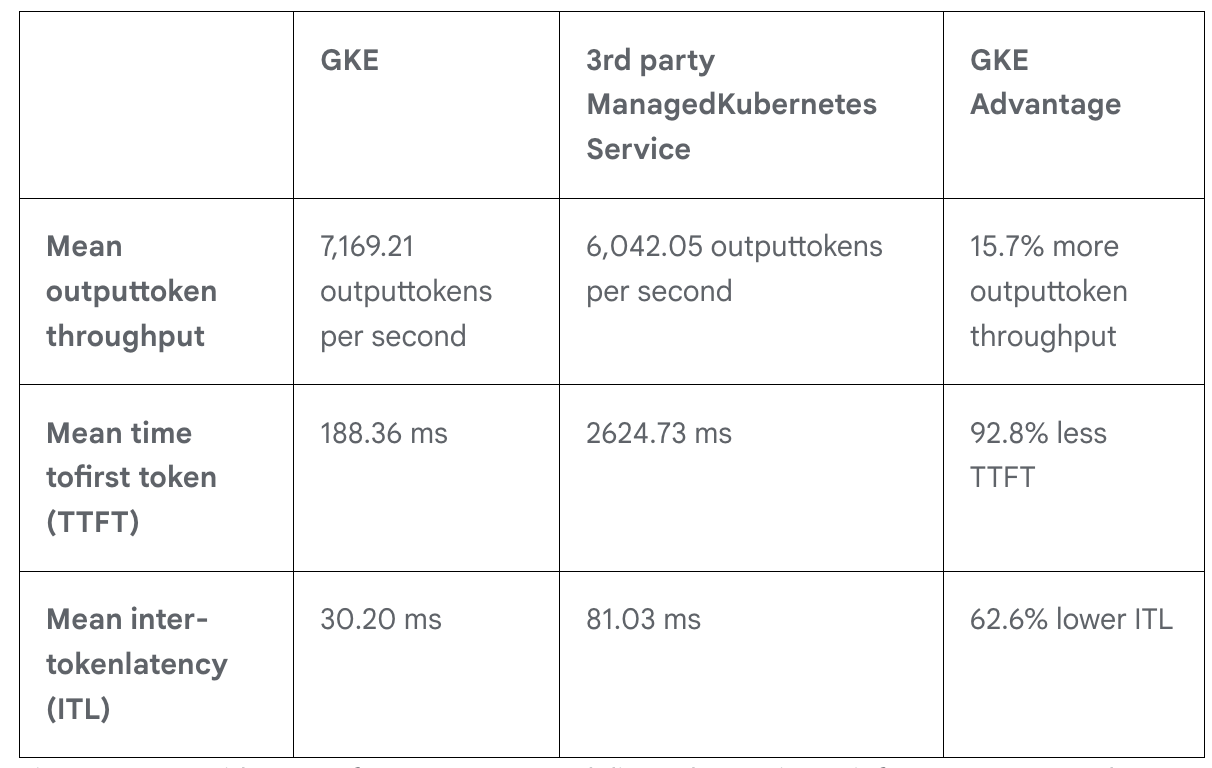
If you are looking to optimize large language model inference, consider the GKE Inference Gateway, which addresses the inefficiencies of standard round-robin load balancing. It uses model-aware routing and prefix caching to route incoming requests to specific pods that already hold the activation states of repetitive prompt segments in their key-value cache memory. This mechanism eliminates repetitive token processing for retrieval-augmented generation and multi-turn chat applications, allowing platforms like Snap Inc. to achieve prefix cache hit rates of up to 75% to 80% using the open-source llm-d framework. Check out the blog post.
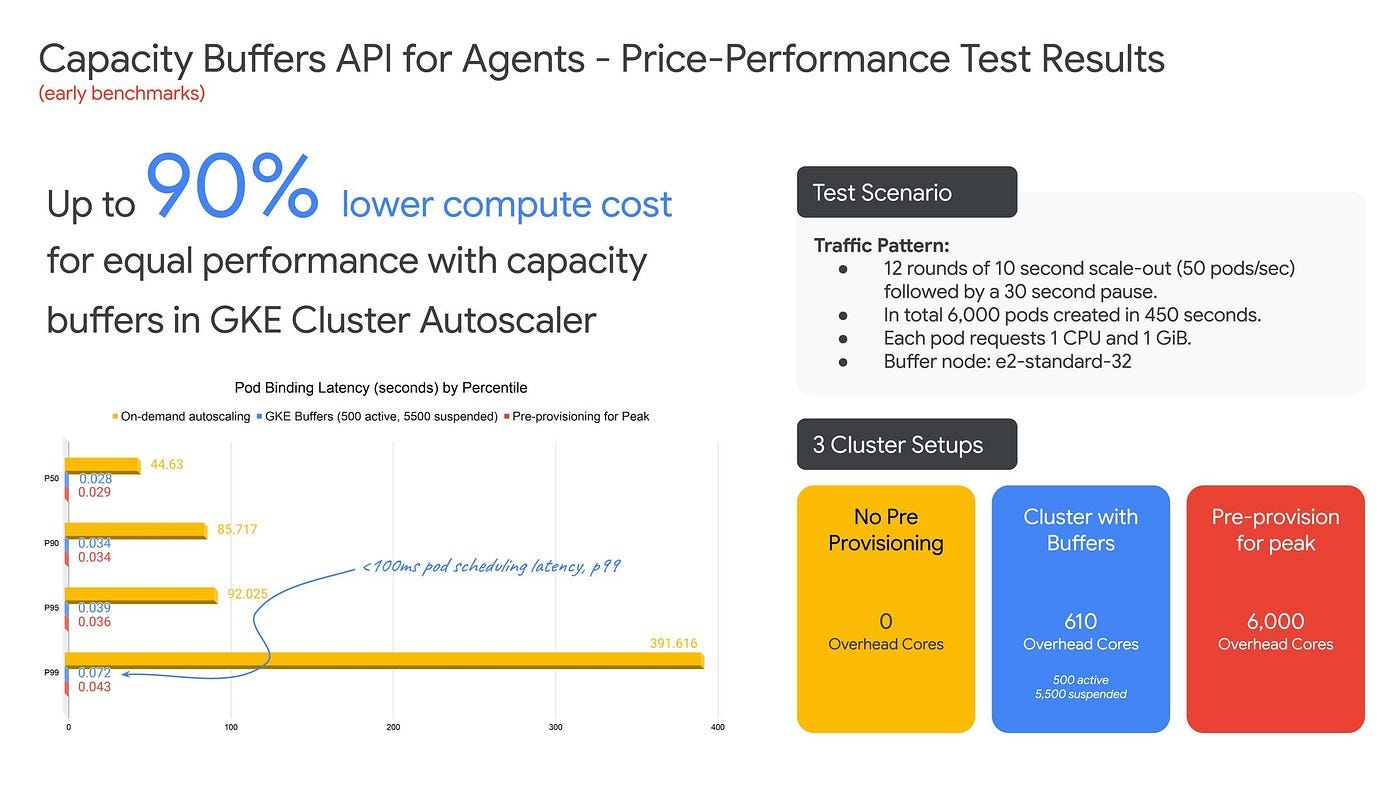
Google Cloud has introduced GKE standby buffers, a native feature utilizing the that provides pre-provisioned, suspended capacity to handle sudden workload spikes without the high costs of continuous over-provisioning or the slow cold starts of standard cluster autoscaling. This capability lowers infrastructure spend by storing a node’s initialized state (including Kubernetes DaemonSets and preloaded images) to disk, releasing compute and memory resources so users only pay for persistent disk storage and IP addresses. Learn about how this works and more over here.
Security and Identity
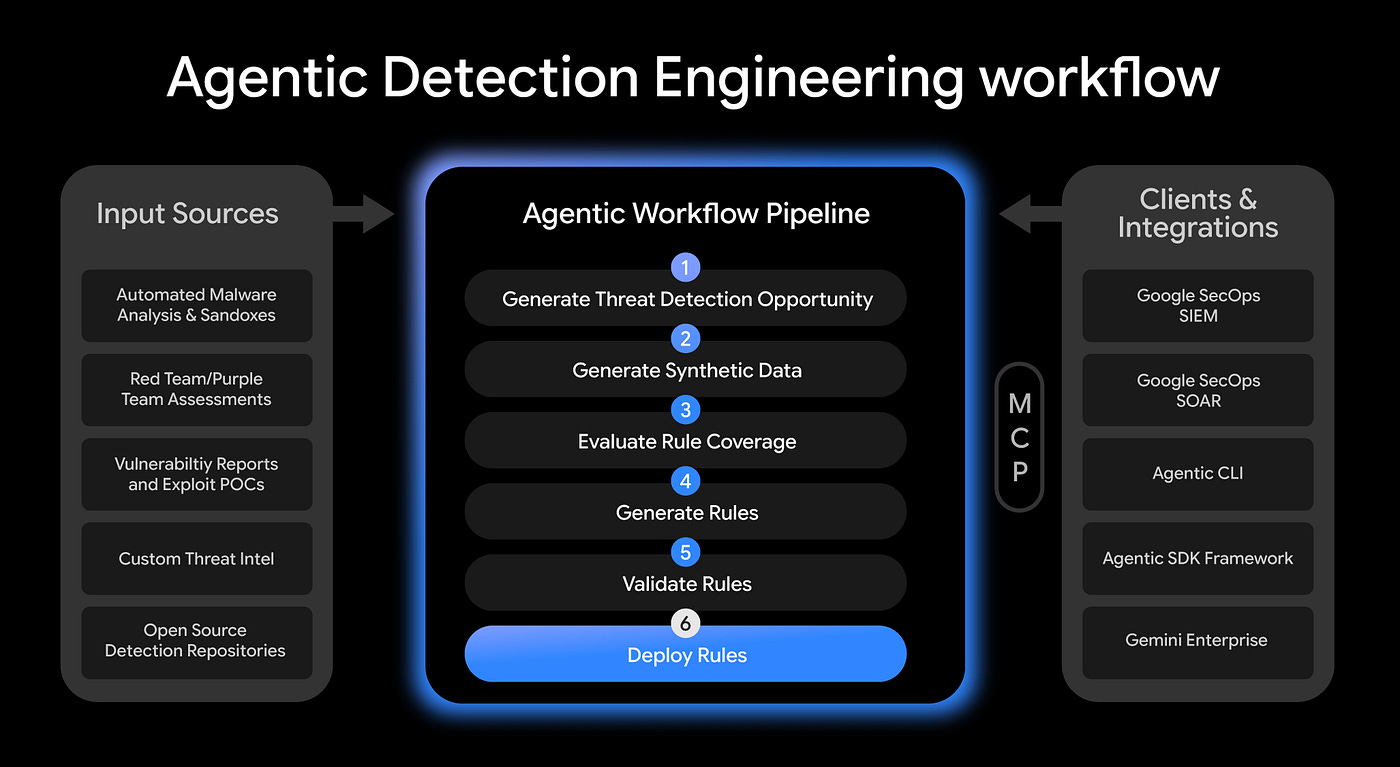
Google AI Threat Defense, an automated security system designed to help you continuously monitor for and stop AI-powered threats before they can impact your business can now work together with Google Security Operations to monitor, detect, and respond to threats, particularly from code you do not own or can not patch. To handle threats at machine speed, the platform incorporates three specialized Gemini-native agents:
Detection Engineering agent (preview), which automatically creates and validates custom YARA-L detection rules for specific environments using threat intelligence and synthetic events.
Triage and Investigation agent (generally available), which reduces alert analysis time from 30 minutes to 60 seconds by autonomously reviewing signals across cloud, endpoint, network, and identity logs.
Threat Hunting agent (preview), which proactively searches historical enterprise telemetry to find anomalies that bypassed initial controls.
Infrastructure and Networking
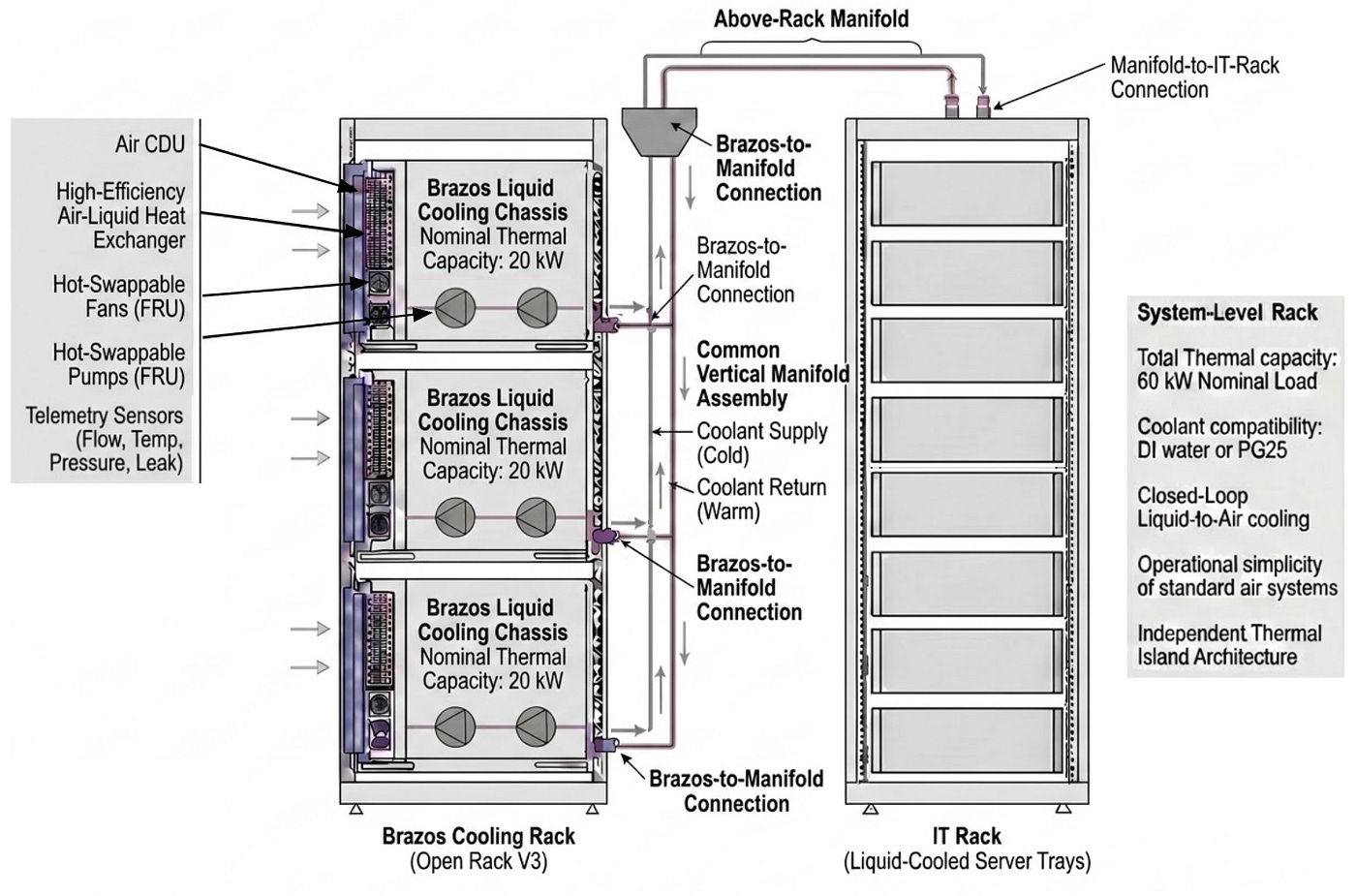
Welcome Brazos, a rack-mounted, closed-loop liquid-to-air cooling system designed to deploy high-density, liquid-cooled equipment inside existing air-cooled data centers without requiring extensive facility retrofits. Developed to handle next-generation AI and high-performance computing chips that exceed 1000 W Thermal Design Power (TDP), this modular system enables simple, one-rack-at-a-time installations by separating the internal liquid loop from the facility water supply. Check out this interesting read here.
Learn about Google Cloud
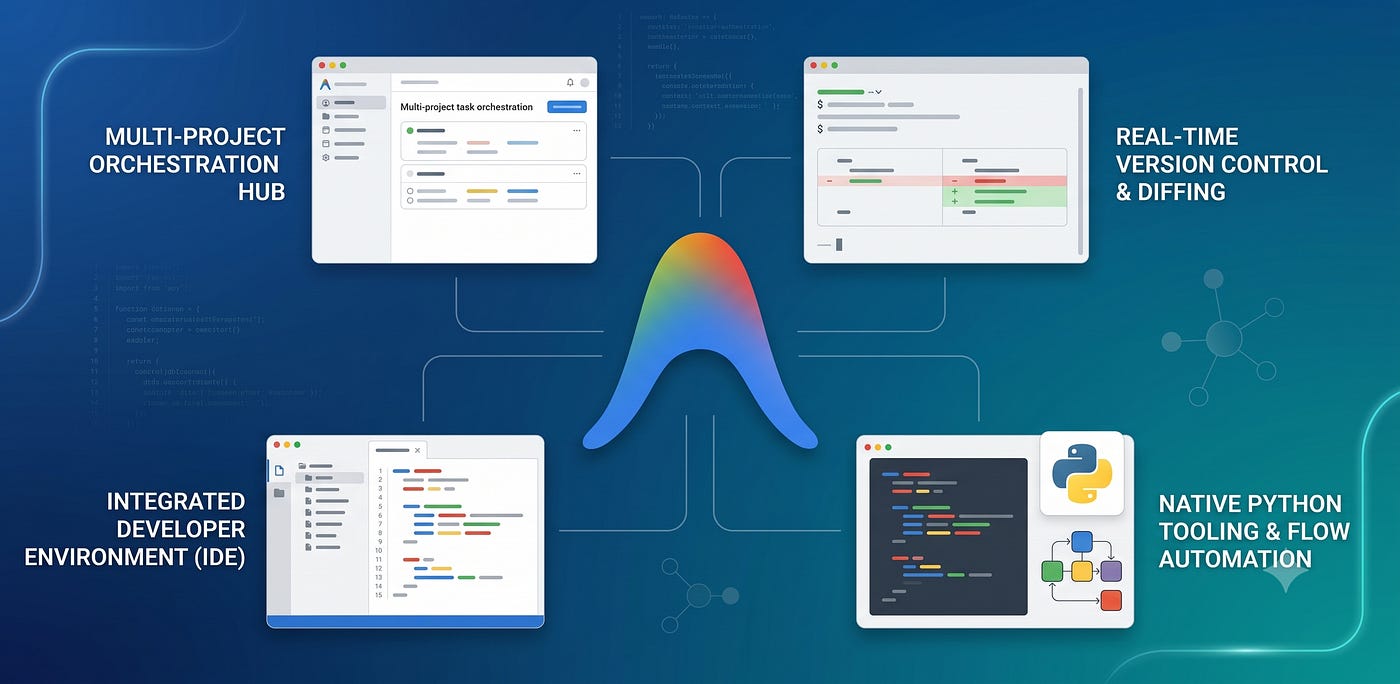
The release of Antigravity, Google’s Agentic platform for Developers to build Agentic applications, offers multiple products under the Antigravity umbrella. This include Antigravity 2.0, Antigravity IDE, Antigravity CLI and Antigravity SDK. This can cause confusion when you have to chose which of the products is the right one for the task. Check out this guide that provides you not just information for what each of these products are but which are the best scenarios where you should ideally use them.
Write for Google Cloud Medium publication
If you would like to share your Google Cloud expertise with your fellow practitioners, consider becoming an author for Google Cloud Medium publication. Reach out to me via comments and/or fill out this form and I’ll be happy to add you as a writer.
Stay in Touch
Have questions, comments, or other feedback on this newsletter? Please send Feedback.
If any of your peers are interested in receiving this newsletter, send them the Subscribe link.