
Google Cloud Platform Technology Nuggets - January 1-15, 2026

Welcome to the January 1–15, 2026 edition of Google Cloud Platform Technology Nuggets. The nuggets are also available on YouTube.
Welcome to the first edition of 2026! Its been a slow start to the year with holiday season towards the end of December and everyone slowly getting into the groove in the new year. This edition covers some of the brief announcements that we have seen in 2026 and those relevant from the 2nd half of December 2026.
AI and Machine Learning
Gemini 3 Flash has arrived to the Gemini family of models. This model builds low-latency, high-frequency applications optimized for scale. It is ideal for high-volume tasks like video analysis, extracting structured data from thousands of documents, and real-time interactive agents. It is available now in Gemini Enterprise, Vertex AI, and Gemini CLI. Check out the blog post.
Vertex AI Agent Builder has got several features and we can break this down into three key areas:
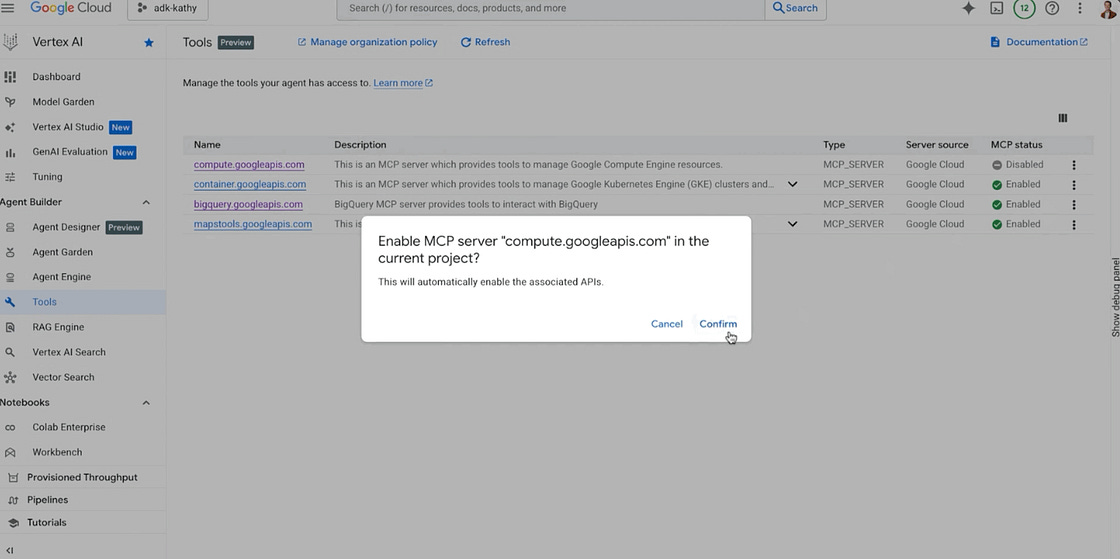
Enhanced Tool governance via the Cloud API Registry integration, that gives administrators a centralized way to govern and curate the tools available to developers. This release includes pre-built MCP support for Google services like BigQuery and Maps, and allows you to manage custom MCP servers transformed from Apigee APIs.
Agent Engine, where you can potentially host and run these agents, saw key updates that included Agent Engine sessions and memory bank moving to General Availability (GA), pricing changes and expanded regions that support Agent Engine.
Several Agent Development Kit (ADK) updates that allows agents to be built with support for Gemini 3 Pro and Flash, improved state management, Interactions API integration and more.
Check out the blog post for more details.
From AI-powered toys to reliable mapping tech, Google Cloud customers closed out the year with some interesting solutions that include Waze scaling with Memorystore for Redis Cluster, Stephen Curry learning from a custom Gemini agent, and Mattel using AI for real-time product updates.
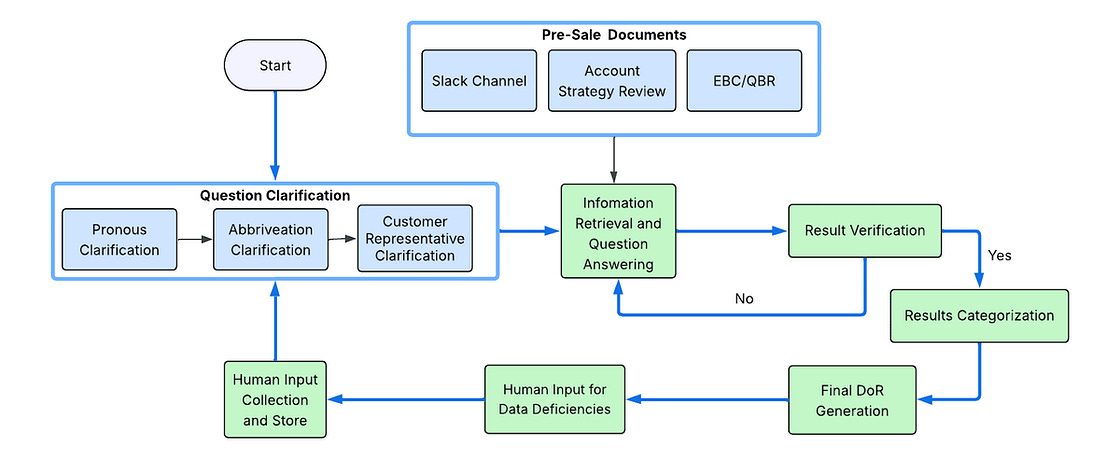
In an interesting customer story, Palo Alto Networks transformed a manual, multi-day process into an automated workflow using Google Cloud’s Agent Development Kit (ADK) and Vertex AI. The automated workflow gathered data from Salesforce and internal knowledge bases, thereby speeding up data analysis. Check out the blog post for more details.
Data Analytics
If you find this newsletter boring to read since you are focused only on the Google Data Cloud, you should definitely bookmark “Whats New with Google Data Cloud”, that gives monthly updates. This and last month’s edition includes new self-service capabilities in Looker for better dashboard organization, Model Context Protocol (MCP) support for key Google services, connecting your enterprise data to the new Antigravity IDE, new Google JDBC driver for BigQuery and more. You can bookmark the 2026 updates here. The entire 2025 updates are here.
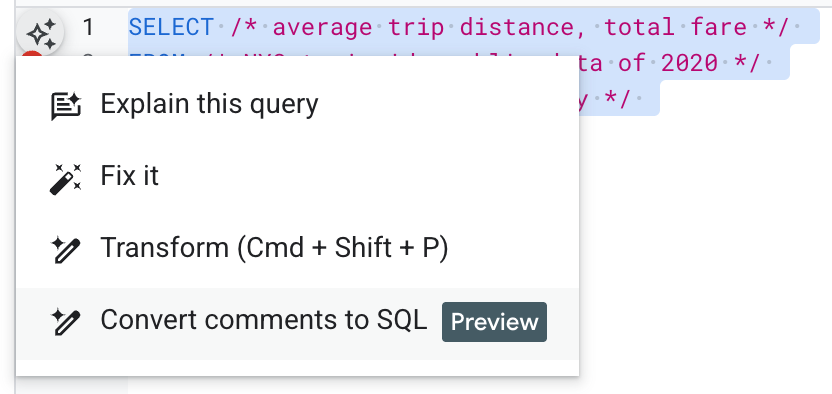
BigQuery’s new “Comments to SQL” feature helps to transform natural language into SQL instantly, thereby giving you executable code within the editor. It understands context, supports complex clauses like GROUP BY, and more. Welcome to a new term: “vibe querying”. Check out the post to learn more.
We’ve covered Google MCP Servers a while back. They are fully-managed MCP servers that initially started off with a few Google services only like BigQuery and Maps. Speaking of the BigQuery MCP Server, a blog post highlights how it simplifies building intelligent data agents. You can use Agent Development Kit (ADK) that provides MCP Server integration. Check out the step by step guide to code an Agent that speaks to your BigQuery dataset.
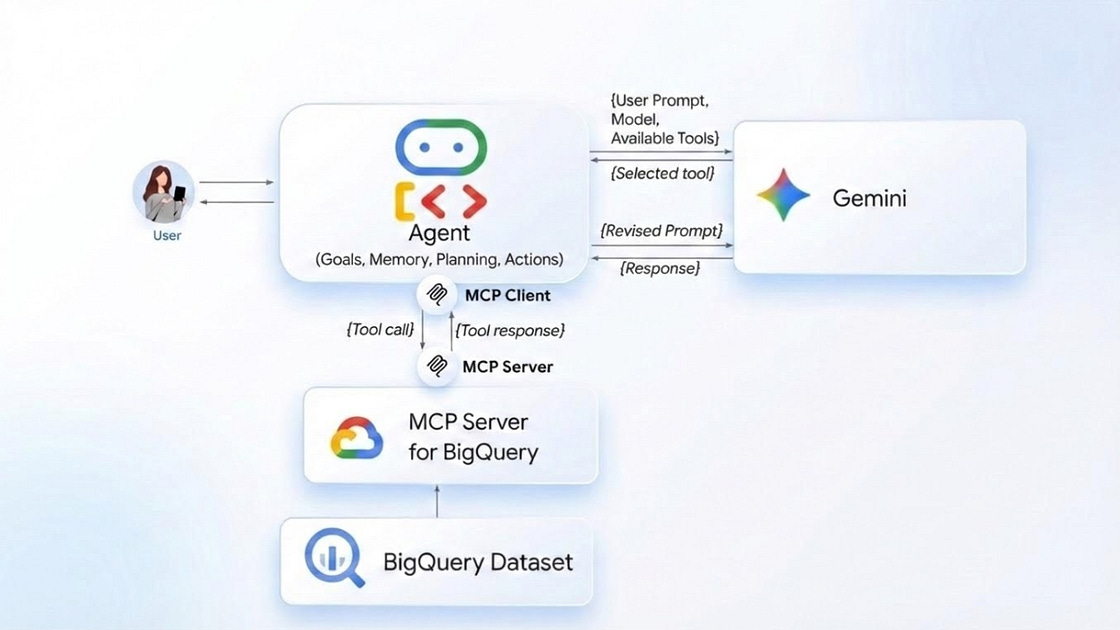
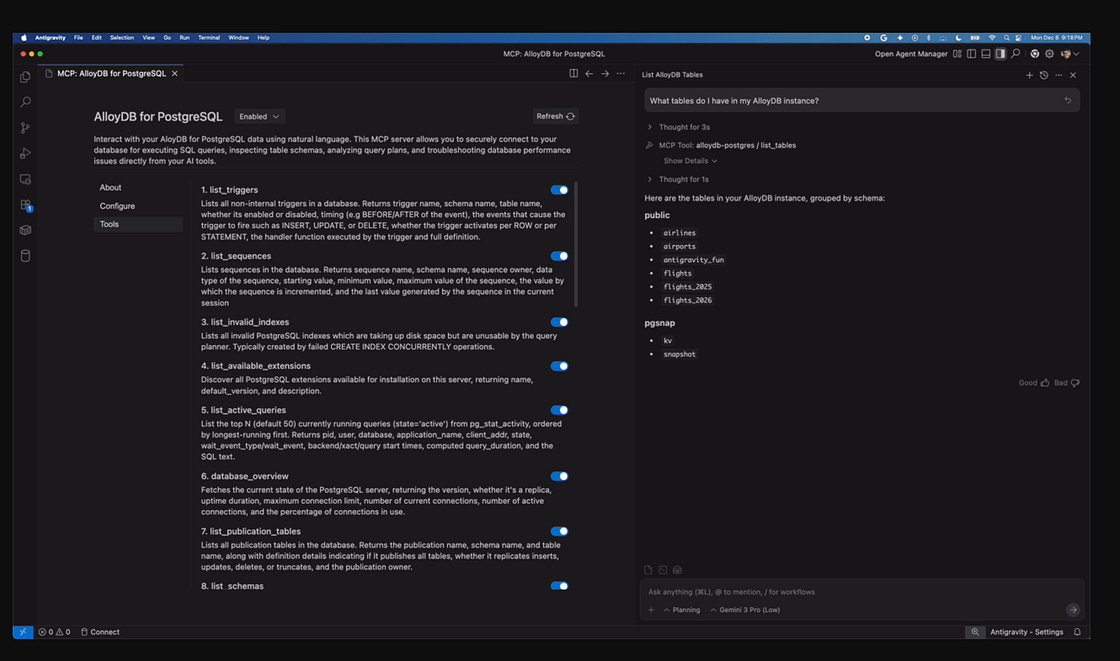
Google Antigravity, an Agent-first IDE can be your direct gateway to your enterprise data. The new Antigravity IDE supports connecting to Google Data Cloud services via the Model Context Protocol (MCP). You can configure pre-built MCP servers for services like AlloyDB and BigQuery directly from the MCP Server marketplace, that is integrated inside Antigravity. The whole idea is to stay in your coding environment while building data-aware agents. Check out the blog post.
Databases
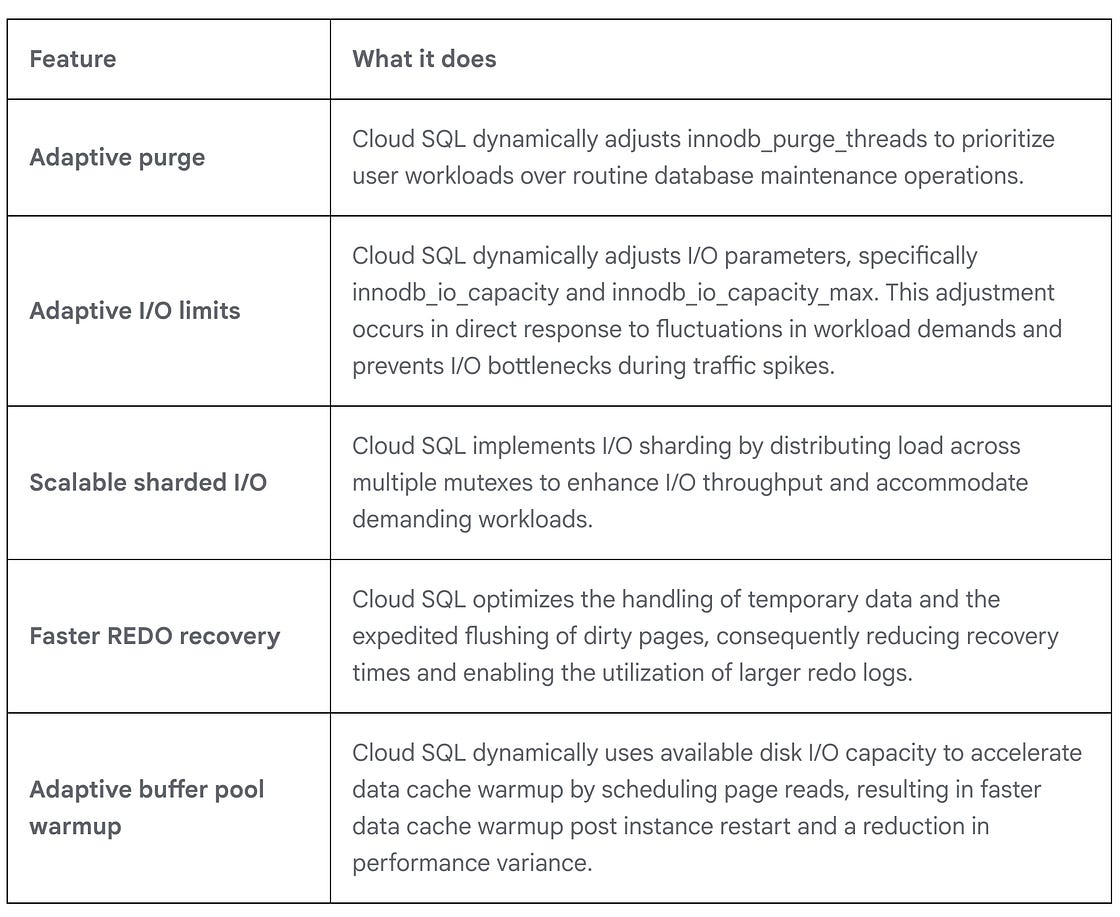
Boost your write-intensive MySQL workloads by up to 3x with Cloud SQL’s new optimized writes. This Enterprise Plus feature, key to high-volume transaction processing, dynamically adjusts I/O parameters and uses sharding to handle traffic spikes and accelerate data cache warmup. Check out the blog post.
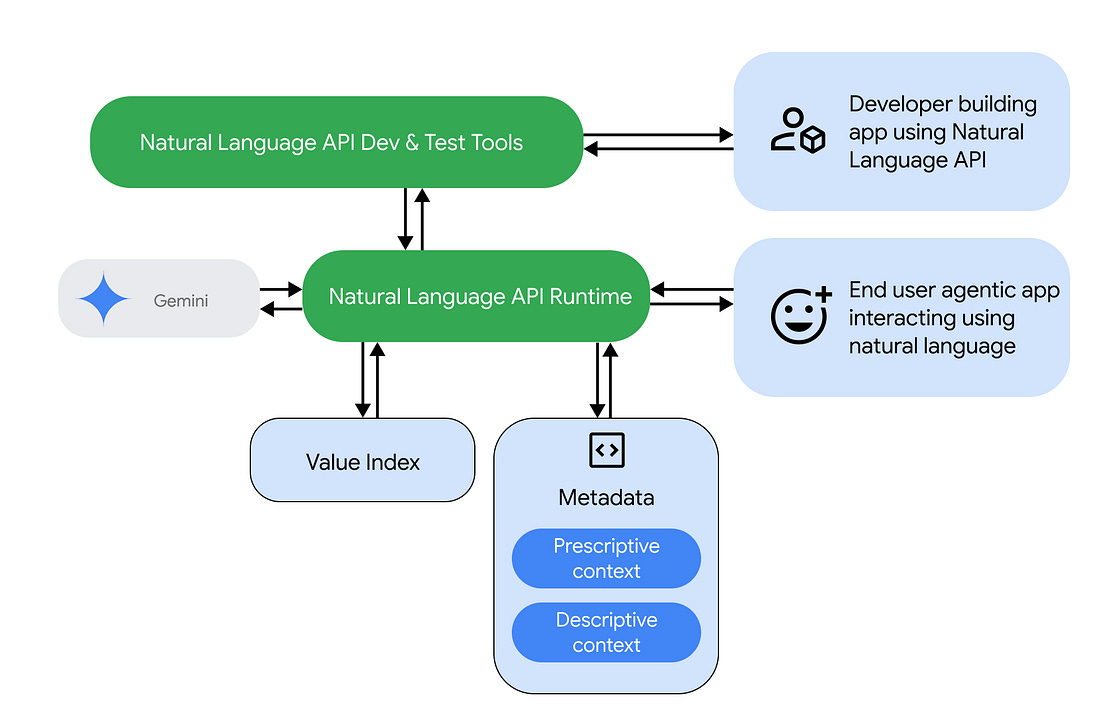
Agents need to be able to issue natural language questions to a database and receive accurate answers in return. The process is typically addressed by the NL2SQL layer that takes in a natural language query and gives back a Natural Language result i.e. the SQL Query. When it comes to AlloyDB, the AlloyDB AI natural language feature, available in Preview, translates natural language queries into schema. The key feature is its ability to provide descriptive context via the API, so that the AI better understands domain-specific data. The result is a near-100% accuracy in natural language queries, intuitive search experiences over structured, unstructured, and multimodal data. Check out the blog post to learn more.
Identity & Security
Cloud CISO Perspectives, which is published twice a month, has published a 2025 in review, where it stresses on the nreed to better budget your security priorities for the year ahead. The reviewed covers top stories in securing cloud and AI, including the acquisition of Wiz and new guidance for AI supply chain security. Check out the blog post.
Networking
The Model Context Protocol (MCP) now supports gRPC as a native transport. Organizations already standardized on gRPC can reuse existing tooling and infrastructure for AI agents without transcoding proxies. This brings strong typing and high performance to the agent ecosystem, making it easier to expose internal microservices to AI models reliably. Check out the blog post on how you can get involved in this effort.
Compute
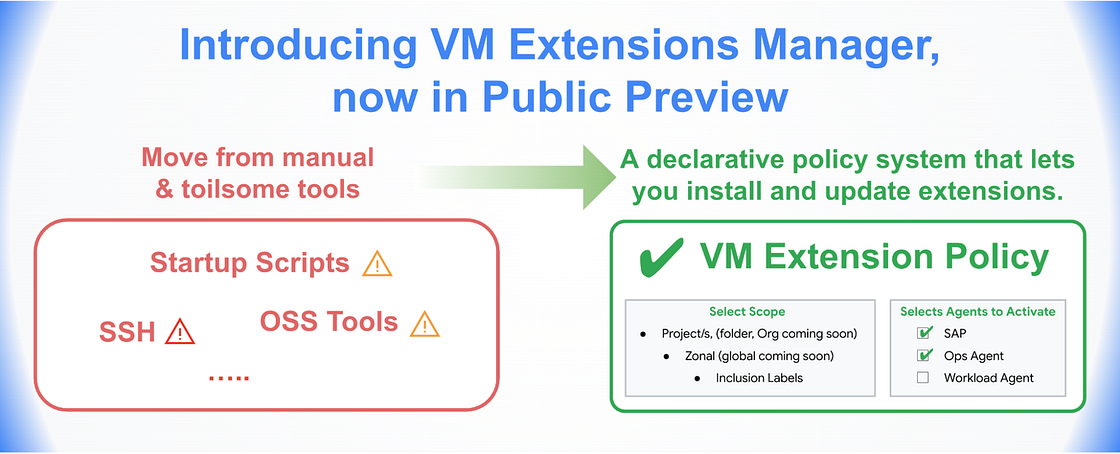
The new VM Extensions Manager simplifies managing OS agents across massive VM fleets. Integrated directly into the Compute Engine API, it lets you define policies for extensions like the Cloud Ops Agent at the zone or project level. With controlled rollout speeds, you can keep your fleet up-to-date and secure with minimal operations. Check out the blog post for more details.
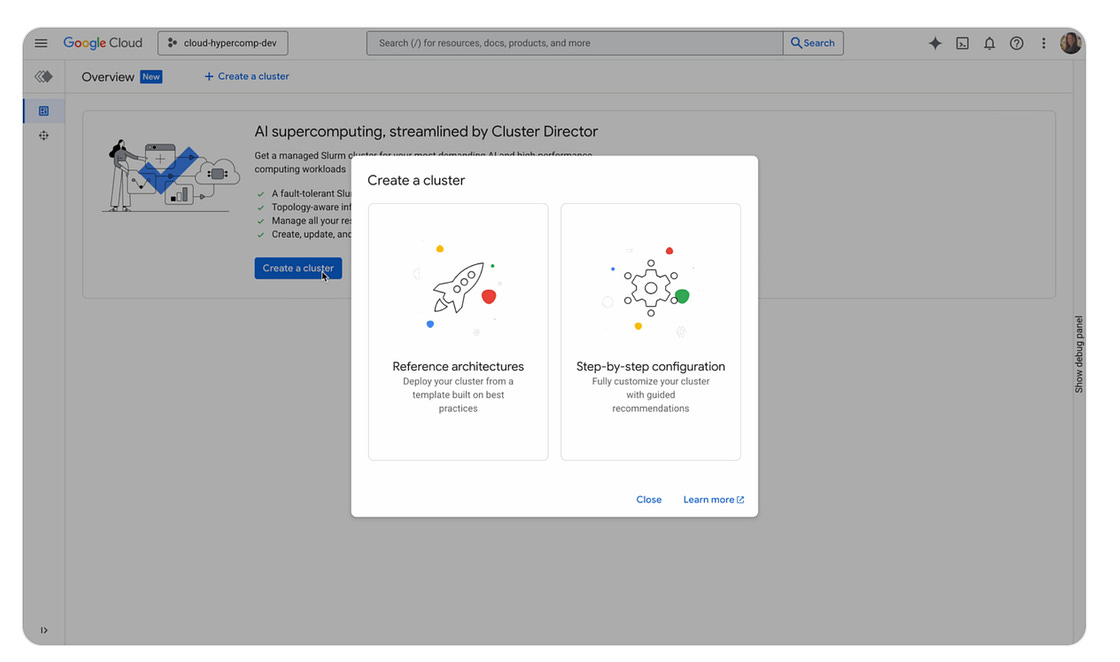
Cluster Director is now Generally Available (GA), simplifying large-scale AI and HPC cluster management. It provides a centralized control plane to automate your infrastructure lifecycle. It simplifies “Day 0” design with validated reference architectures and handles “Day 1” deployment with automated health checks for GPUs and network fabrics. If you are running Slurm on GKE, this is an essential tool. Check out the blog post.
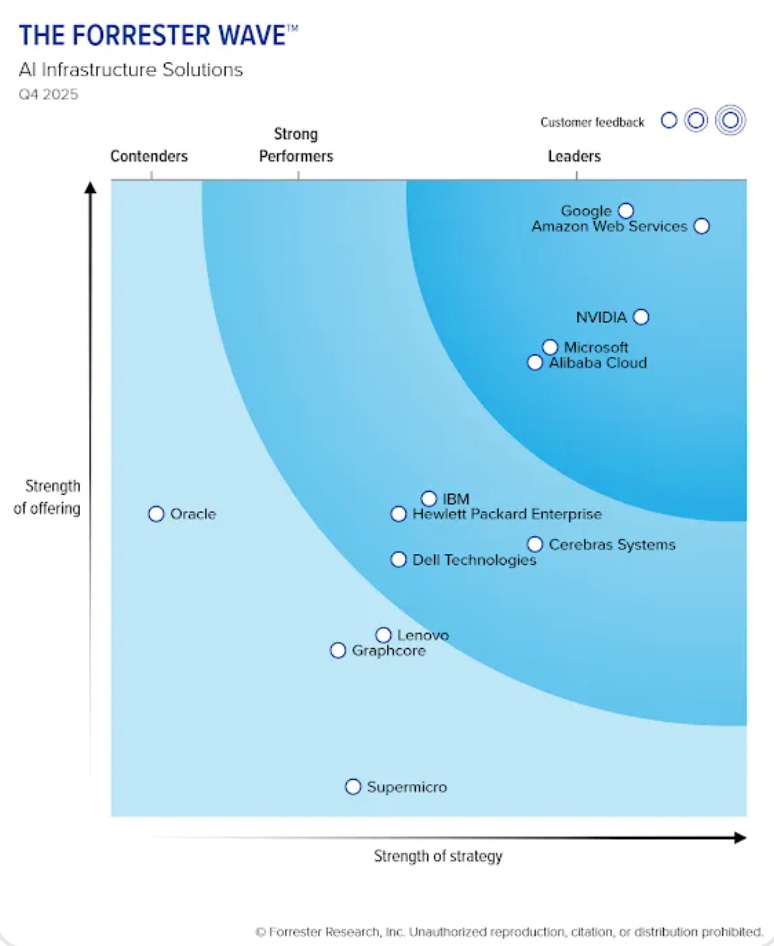
Google received the highest score of all vendors in the Current Offering category in The Forrester Wave™: AI Infrastructure Solutions, Q4 2025 report. Access the full report here.
Learning Center
It’s never too late to start learning about Google Cloud. Explore no cost courses and hands-on labs from Google Cloud experts, available on Google Skills.
Write for Google Cloud Medium publication
If you would like to share your Google Cloud expertise with your fellow practitioners, consider becoming an author for Google Cloud Medium publication. Reach out to me via comments and/or fill out this form and I’ll be happy to add you as a writer.
Join Google AI Community
Google AI community (available on Discord and WhatsApp) is a community driven initiative where we share news, articles and events around Google AI, Google Cloud and related topics of interest to developers. The focus is on delivering material that adds values to developers invested in the ecosystem.
We conduct regular hands-on technical sessions by practitioners and we invite you to both participate and even conduct sessions.
Do sign up here, if this is of interest:
Discord : https://bit.ly/4p7gR2t
WhatsApp : https://bit.ly/3YzeP09
This channel is not affiliated with Google and is run independently.
Stay in Touch
Have questions, comments, or other feedback on this newsletter? Please send Feedback.
If any of your peers are interested in receiving this newsletter, send them the Subscribe link.
Excellent roundup of the latest GCP updates. The Model Context Protocol integration across multiple services (BigQuery, gRPC, Antigravity) is really changing how developers interact with data infrastructure. Ive been working with similar agent-based workflows and the seamless connection between coding environments and enterprise datasources cuts development time significantly. This agentic approach is gonna be the standard way we build data applications moving forward.